Oltre a creare il processo psicoanalitico, Freud elaborò alcune teorie sulla mente degli esseri umani. Molte di queste teorie erano piuttosto scioccanti per i tempi in cui visse. Ecco alcuni dei suoi più memorabili.
- Complesso di Edipo: la teoria più nota di Freud, il Complesso di Edipo, afferma che i ragazzi sviluppano un'attrazione sessuale verso le loro madri a una certa età. Questa attrazione può diventare così potente che un ragazzo può diventare molto geloso di suo padre e persino arrivare a odiarlo.
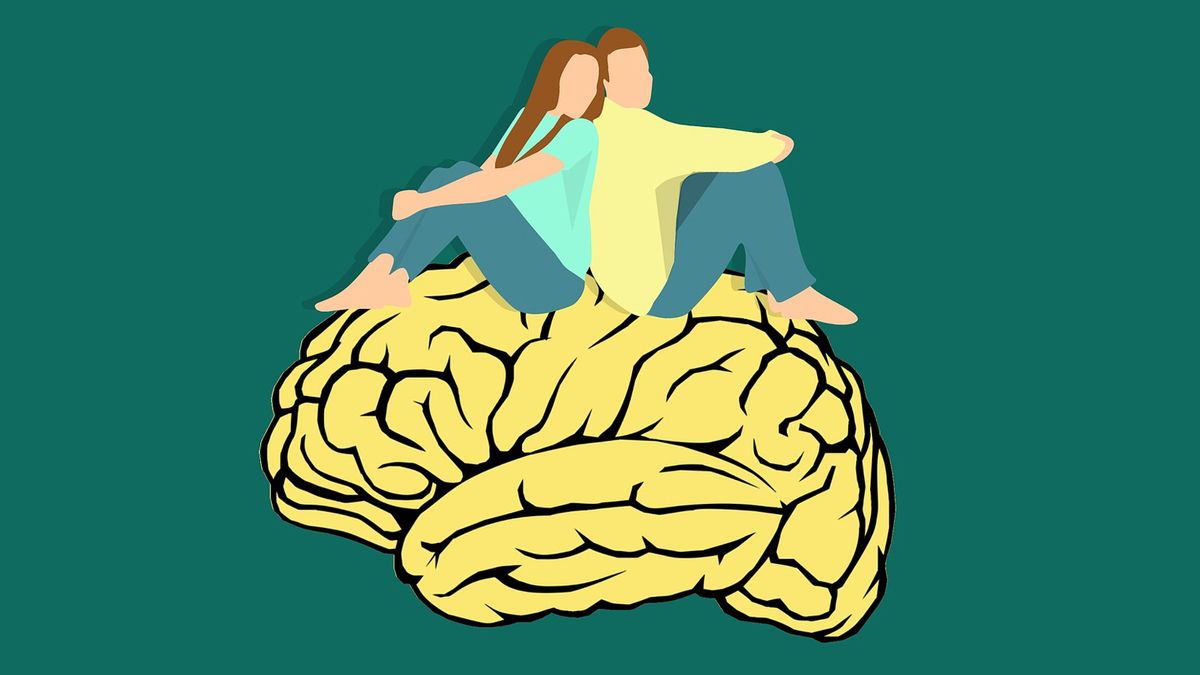
- Id, Ego, Superego: In 1923, Freud theorized in "The Ego and the Id" that the mind is divided into three compartments: the id, the ego and the superego. These aren't physical divisions, but rather conceptual ones. The id resides in our unconscious mind and is driven toward physical gratification, such as breathing, eating and sex. The ego works toward satisfying the id's desires in a safe manner, while the superego's goal is moral and socially acceptable behavior. Often, these three parts of the brain compete with one another [sources: McLeod].
- Invidia del pene: questa teoria afferma che le femmine iniziano a desiderare un pene in giovane età e il desiderio si intensifica nel tempo. La ragione? I ragazzi si divertono di più con i loro Johnson che le ragazze con i propri organi sessuali. Freud ha inoltre teorizzato che quando le ragazze crescono, la loro invidia per il pene si manifesta con un profondo amore per i loro padri e il desiderio di avere un figlio, perché questi sono i più vicini che avranno mai ad avere un pene tutto loro [fonte: Kubota ].
- Lapsus freudiano: Nella sua pubblicazione del 1901 "The Psychopathology of Everyday Life", Freud disse che quando fai un lapsus - ad esempio, "Questo è il seno che posso fare" - non è affatto un incidente. Invece, è la tua mente inconscia che rivela i tuoi pensieri segreti e veri [fonte: PBS ].
- Ritenzione anale: la nostra sessualità inizia quando siamo molto giovani e progredisce attraverso diverse fasi. La prima è una fissazione orale durante l'infanzia, seguita da una fissazione anale all'età di 2-4 anni. Durante questa fase anale , che coincide con l'educazione alla toilette, i bambini piccoli possono sviluppare una fissazione anale-ritentiva se vengono puniti troppo spesso durante l'allenamento. Questi bambini si aggrappano alle loro feci e si concentrano su ordine, ordine e perfezionismo. (Per completare le teorie di Freud sulla sessualità infantile: a 5 anni, i bambini attraversano una fase fallica , quando vedono i loro organi sessuali come una fonte di piacere, seguita da una latente period when they lose interest in sex and usually the opposite sex. At puberty, they enter a genital phase where their mature sexual development begins. A mentally healthy adult must have successfully passed through each stage.)
- Defense Mechanisms: As part of his theory on the id, ego and superego, Freud said the ego employs one of several defense mechanisms to stave off negative, unpleasant feelings from our conscious minds [source: McLeod].
- Denial. Blocking something from your awareness. Example: Refusing to believe the doctor's report that you have cancer.
- Displacement. Using a substitute object to satisfy an impulse. You punch a wall when you're angry at your friend.
- Projection. Ascribing your thoughts to another. For instance, you dislike someone, so you believe they hate you.
- Regression. Moving back in time when you're stressed. You suck your thumb when faced with a tight deadline.
- Repression. Unconsciously blocking disturbing thoughts. Example: Your mind won't let you remember when you were sexually assaulted.
- Sublimation. Satisfying an impulse in a socially acceptable way. You go out for a run when you're angry at your friend.
So how do these theories hold up today? We'll find out on the next page.