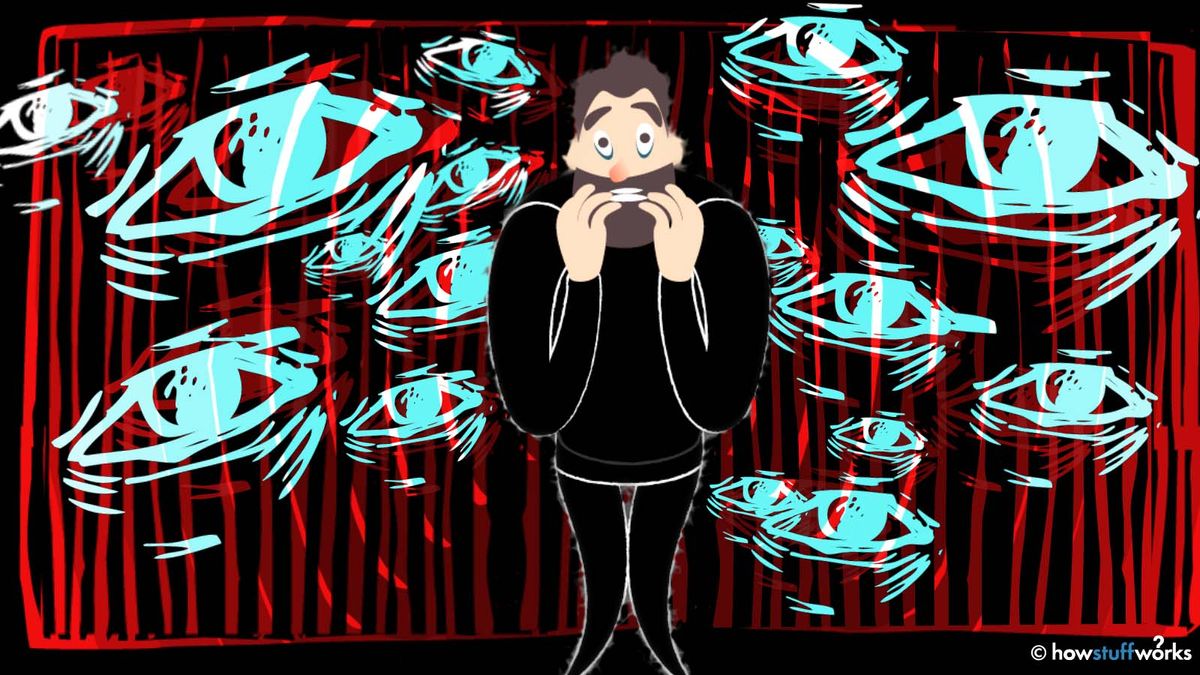
Некоторые дети, кажется, живут в своем собственном мире. Они кажутся отстраненными и замкнутыми, избегают зрительного контакта и уклоняются от объятий своих родителей. Они могут проявлять необычное поведение, например, махать руками или навязчиво выстраивать свои игрушки. Они входят в число примерно 1,5 миллиона детей в Америке, страдающих аутизмом — состоянием, которое мешает ребенку общаться и взаимодействовать в обществе.
Аутизм до сих пор было очень трудно расшифровать. Ученые до сих пор не до конца понимают тайну, которая таится глубоко в мозгу детей с аутизмом. Хотя исследователи обнаружили ключи к разгадке того, что вызывает это состояние, они еще не нашли способ предотвратить или вылечить аутизм.
Что беспокоит многих ученых, так это то, что аутизм, похоже, находится на подъеме. По данным Центров по контролю и профилактике заболеваний (CDC), сегодня у одного из каждых 110 американских детей есть это заболевание. С 1980-х и начала 1990-х годов уровень заболеваемости аутизмом увеличивался примерно на 10-17 процентов ежегодно. Врачи не знают, является ли это явное увеличение результатом какого-то фактора окружающей среды, например, более сильного воздействия токсичных химических веществ, или просто того, что детей диагностируют более эффективно, чем два десятилетия назад. На следующей странице мы более подробно рассмотрим определение и характеристики аутизма.
- Что такое аутизм?
- Причины аутизма
- Аутичный мозг
- Симптомы аутизма
- Лечение аутизма
- Помощь детям с аутизмом
- Осведомленность об аутизме
Что такое аутизм?

Аутизм является частью группы состояний, называемых расстройствами аутистического спектра (РАС) , или известными под более широким термином, распространенными нарушениями развития (ПРР) . Все эти состояния имеют схожие симптомы. Хотя аутизм может поражать детей любой расы и национальности, у мальчиков он встречается в четыре раза чаще, чем у девочек.
Аутизм может варьироваться от легкого до тяжелого, но у большинства детей с этим заболеванием возникают трудности в следующих трех областях:
Общение . У детей с аутизмом возникают проблемы как с вербальной, так и с невербальной коммуникацией. Они могут избегать зрительного контакта или улыбки и могут не понимать значения улыбки, подмигивания или махания рукой. Около 40 процентов детей с аутизмом вообще не разговаривают. Еще 25 процентов начинают говорить в возрасте от 12 до 18 месяцев, но затем быстро теряют способность говорить. Некоторым детям с аутизмом трудно складывать слова в предложения или точно повторять то, что они слышат — это состояние называется эхолалией . Из-за того, что они не могут сообщить то, что хотят, аутичные дети иногда кричат или плачут от разочарования.
Социальное взаимодействие . Детям с аутизмом трудно общаться с другими людьми, отчасти потому, что они не могут понять чувства и социальные сигналы других людей. В результате они могут казаться отдаленными или отчужденными. Они могут уклоняться от физического или эмоционального контакта, избегая объятий и зрительного контакта. Поскольку аутизм влияет на органы чувств, некоторые повседневные звуки или запахи могут быть невыносимы для аутичных детей. Они могут затыкать уши и кричать, когда звонит телефон , или давиться от запаха персика. Или они могут быть менее чувствительны к боли , чем другие дети, и ничего не чувствовать, когда получают порез или синяк.
Повторяющееся поведение . Дети с аутизмом часто повторяют одно и то же поведение (называемое стереотипным поведением или стереотипией ) снова и снова, в том числе размахивают руками, бьются головой о стену, повторяют одни и те же слова или навязчиво выстраивают в ряд игрушки, книги или другие предметы. Повторение является темой всей жизни аутичного ребенка. Любое изменение в их распорядке дня — даже такое простое, как разрезание бутерброда поперек, а не по диагонали — может привести к нервному срыву.
Симптомы аутизма могут сильно различаться от ребенка к ребенку. В то время как один ребенок может быть совершенно неспособен к общению, другой может цитировать целые пьесы Шекспира. Один ребенок может быть не в состоянии сложить 3 + 4, другой может выполнять сложные математические функции.
Помимо аутизма, под определение РАС подпадают еще четыре состояния:
- Синдром Аспергера . У детей с этим заболеванием есть некоторые симптомы аутизма, в том числе плохие социальные навыки и отсутствие эмпатии, но у них соответствующие возрасту языковые навыки и нормальный или высокий IQ.
- Синдром Ретта . Это состояние встречается у 1 из каждых 10 000–15 000 детей, подавляющее большинство из них — девочки. Люди с синдромом Ретта избегают социальных контактов. Они могут ломать руки и быть не в состоянии контролировать движение ног.
- Детское дезинтегративное расстройство (CDD) — это редкое заболевание поражает только двух из каждых 100 000 детей с РАС, большинство из которых мужского пола. Дети с CDD будут нормально развиваться примерно до 3 или 4 лет, затем внезапно и резко потеряют свои двигательные, языковые и социальные навыки.
- Первазивное расстройство развития, иначе не уточненное (PDD-NOS) . Это состояние имеет некоторые из тех же симптомов, что и аутизм (отставание в общении и социальной активности), но не соответствует всем критериям диагностики.
Аутизм гораздо чаще встречается у людей с определенными генетическими, хромосомными и метаболическими нарушениями, такими как синдром ломкой Х -хромосомы (наследственная форма умственной отсталости, название которой связано с поврежденной и хрупкой на вид Х-хромосомой), фенилкетонурия (наследственное заболевание, при котором организму не хватает фермента, необходимого для переработки аминокислоты фенилаланина , что приводит к умственной отсталости) и туберозному склерозу (редкому генетическому заболеванию, вызывающему рост доброкачественных опухолей по всему телу и мозгу). Эпилептические припадки, умственная отсталость и потеря зрения и/или слуха также часто встречаются у детей с аутизмом.
Далее мы рассмотрим некоторые потенциальные причины аутизма.
Благодарю вас
Thanks to Scott Bernstein, M.D., for his assistance with this article.
Causes of Autism

Scientists believe that autism stems from a combination of genetic and environmental factors. Research done with twins reveals a strong family connection. If one identical twin has autism, the other twin has a 60 to 90 percent chance of also having the condition (in non-identical twins, the rate is about 3 percent). In families with one autistic child, the chance of having a second child with the condition is about 2 to 8 percent -- 75 times greater than among the general population. Also, members of families with autistic children are more likely to have language delays and social difficulties, as well as mental disorders.
Scientists believe that not just one, but a combination of as many as a dozen genes is to blame for autism. Mutations in these genes can make a child more susceptible to autism, or can lead to specific symptoms of the condition. Some of the genes scientists have isolated are HOXA1 (involved in brain structures and nerves), RELN (involved in connections between nerve cells ), and GABA pathway genes (involved in helping nerve cells communicate with one another).
These genes likely set the stage for autism, but it's possible that environmental factors actually trigger the condition. A number of environmental factors have been linked to autism, from viral infections to exposure to chemicals such as mercury, lead or polychlorinated biphenyls (PCBs -- a group of chemicals that were once used as lubricants and coolants). Some research has suggested that prenatal exposure to substances such as thalidomide (a drug used in the 1950s and '60s to treat morning sickness, used to treat cancer ) or valproic acid (a drug used to treat epileptic seizures ) can cause a child to develop autism.
In 1998, a British study by Dr. Andrew Wakefield cast international attention on one potential environmental culprit: childhood vaccines. His small study suggested that the measles-mumps-rubella (MMR) vaccine caused an infection in the intestines, which led to the developmental and gastrointestinal disorders seen in autism. Because children are vaccinated at around the same age as autism is diagnosed, the theory that vaccinations were to blame gained popularity. In the years following the study, however, many of Dr. Wakefield's co-authors disavowed the results, and it was revealed that Dr. Wakefield had a financial motive for linking vaccines to autism. Finally, in 2011, the study was deemed fraudulent by the medical community after it was discovered that Dr. Wakefield falsified data about the children in the report.
Adding to the questions surrounding vaccines was other research indicating that exposure to thimerosal, a mercury-based substance that was once used as a vaccine preservative (specifically in the diphtheria, tetanus, pertussis, Haemophilus influenzae type b (Hib) and Hepatitis B vaccines), could affect brain development and trigger autism. However, thimerosal is no longer present in vaccines, and autism rates haven't dropped.
In 2004, the Institute of Medicine completed a thorough review of all the evidence related to vaccines and autism, and concluded that there was no apparent link between thimerosal or the MMR vaccine and autism. Several other large studies have echoed those conclusions.
We'll look at the brain and autism next.
Theory of Mind
In 1995, Dr. Simon Baron-Cohen of Cambridge University proposed a new theory about autism. He suggested that many individuals with autism suffer from "mindblindness" -- that is, they are unable to understand that other people have their own unique thoughts and emotions. It is this inability to empathize and relate to differences in others' way of thinking that results in the communication and social difficulties that people with autism experience, according to Dr. Baron-Cohen.
The Autistic Brain

Much like a computer , the brain relies on intricate wiring to process and transmit information. Scientists have discovered that in people with autism, this wiring is faulty, leading to misfiring in communications between brain cells.
In the brain, nerve cells transmit important messages that regulate body functions -- everything from social behavior to movement. Imaging studies have revealed that autistic children have too many nerve fibers, but that they're not working well enough to facilitate communication between the various parts of the brain. Scientists think that all of this extra circuitry may affect brain size. Although autistic children are born with normal or smaller-than-normal brains, they undergo a period of rapid growth between ages 6 and 14 months, so that by about age four, their brains tends to be unusually large for their age. Genetic defects in brain growth factors may lead to this abnormal brain development.
Scientists also have discovered irregularities in the brain structures themselves, such as in the corpus callosum (which facilitates communication between the two hemispheres of the brain), amygdala (which affects emotion and social behavior), and cerebellum (which is involved with motor activity, balance, and coordination). They believe these abnormalities occur during prenatal development.
In addition, scientists have noted imbalances in neurotransmitters -- chemicals that help nerve cells communicate with one another. Two of the neurotransmitters that appear to be affected are serotonin (which affects emotion and behavior) and glutamate (which plays a role in neuron activity). Together, these brain differences may account for autistic behaviors.
Scientists continue to look for clues to the origins of autism. By studying the genetic and environmental factors that may cause the condition, they hope to develop tests to identify autism earlier, as well as new treatment methods.
Several research studies are looking at the link between genes and autism. The largest of these is the National Alliance for Autism Research (NAAR) Autism Genome Project. This collaborative effort, conducted at approximately 50 research institutions in 19 countries, is poring through the 30,000 genes that make up the human genome in a search for the genes that trigger autism.
Other autism studies include:
- Using animal brain models to study how neurotransmitters are impaired in children with autism
- Testing a computer-based program that would help autistic children interpret facial expressions
- Examining brain images to discover which areas are active during the obsessive and repetitive behaviors of autism
- Continuing to investigate the link between thimerosal and autism
In the next section, we'll look at how autism is typically identified in children.
Autism Symptoms

Within the first few months of their baby's life, the parents of an autistic child may begin to feel that something is not quite right. They may notice that their child, who once seemed normal in every way, is acting strangely, refusing to make eye contact, point to toys or speak.
Even though the signs may appear before age 2, most children aren't diagnosed with autism until age 4 or 5, according to the Centers for Disease Control and Prevention. Part of the reason for this delay is that the symptoms of autism can look much like those of other conditions, which is why autism screening is a multistep process involving several different health and mental health professionals.
The first step to diagnosing autism begins with a developmental test administered by the child's pediatrician. If this test suggests an ASD, the next step is to bring in a team of experts, which may include a psychologist, neurologist, child psychiatrist, speech therapist, occupational therapist, physical therapist, and possibly other professionals. These doctors will evaluate the child for neurologic or genetic problems, as well as for cognitive and language skills. Evaluation may include observations, parent interviews, patient histories, speech and language assessments and psychological tests.
Screening tests for autism include:
- The Autism Diagnostic Observation Schedule (ADOS-G): An observational test used to identify delayed social and communication behaviors.
- The Autism Diagnosis Interview-Revised (ADI-R): An interview that assesses the child's communication and social skills.
- Childhood Autism Rating Scale (CARS): An observational test to determine autism severity that uses a 15-point scale to evaluate a child's verbal communication abilities, listening skills, body use, and social relationships.
- The Autism Screening Questionnaire: A 40-question scale used in children 4 and older to evaluate social and communication abilities
According to the American Psychiatric Association's Diagnostic and Statistical Manual of Mental Disorders, Fourth Edition (DSM-IV), children with autism meet at least six of the following criteria:
- Social impairments: Does not properly use nonverbal behaviors such as gestures and facial expressions Fails to develop age-appropriate peer relationships Does not spontaneously share objects or interests with others Lacks social or emotional reciprocity
- Communication impairments: Is slow to speak Has difficulty sustaining a conversation Repeatedly uses the same language Does not engage in age-appropriate make-believe or socially imitative play
- Repetitive behaviors: Is intensely preoccupied with one or more interests Is inflexible and unwilling to change set routines Repeats motions or mannerisms (such as waving arms, flapping, or twisting) Is preoccupied with parts of objects
Next, we'll look at conventional treatments for autism.
Discovering Autism
Although it may seem as though autism emerged only recently, scientists believe that children exhibited its behaviors as early as the 18th century. Autism wasn't formally recognized as a unique condition until 1943, when Dr. Leo Kanner of the Johns Hopkins Hospital studied 11 children with severe language and social problems, and published the first real description of autism. At around the same time, Dr. Hans Asperger of Germany described the syndrome that now bears his name based on his research with 400 children.
Autism Treatments
There is no cure for autism, but with treatment, people with the condition can live fuller lives. Behavioral therapy (also called behavioral intervention) is the most commonly used treatment. Teachers, parents and counselors work together to help the child improve his or her communication, physical and social skills.
One of the most popular behavioral therapies is called Treatment and Education of Autistic and Communication Handicapped Children (TEACCH), which was developed in the 1970s. With this method, parents and professionals (teachers, therapists, etc.) work closely together to improve the child's adaptive skills through structured cognitive and behavioral therapy. The program is individualized to the child, and takes place in several environments-from clinics to classrooms. Other educational programs include the Higashi School, which teaches positive behaviors through art, academics and physical education; and Bright Start, which helps improve children's communication, attention and cognitive skills.
Children also may need occupational therapy (to learn everyday tasks), sensory integration therapy (to help process stimuli), physical therapy (to improve motor skills) and speech therapy. Treatment should be tailored to the individual child.
Although they can't treat autism specifically, medications can help manage the symptoms of autism. Most drugs prescribed for autism are used off-label, which means they are not approved by the U.S. Food & Drug Administration specifically for autism, but they have been approved to treat the same symptoms in other conditions. These medications include:
Antidepressants - Researchers have found that people with autism have a higher-than-normal level of the neurotransmitter serotonin. Drugs called selective serotonin reuptake inhibitors (SSRIs), which include Prozac and Zoloft, help regulate serotonin levels and control anxiety, depression and obsessive-compulsive behaviors. (There is concern that these drugs may be associated with suicidal thoughts and behaviors in children, however; so they are used with caution.)
Antipsychotic medications - These drugs, which were originally designed to treat schizophrenia , may be helpful for aggression and other severe behavioral problems associated with autism. Antipsychotic medications work by reducing the amount of the neurotransmitter, dopamine, in the brain. The older antipsychotic medications (such as Haldol) may be effective for autism, but they can have side effects , including sedation and unusual movements (called dyskinesias). In 2006, the FDA approved a newer antipsychotic medication, Risperdal, for irritability in autistic children and adolescents ages 5 to 16. It is the first drug to be approved specifically for autism-related behaviors, such as aggression, hostility, self-injury, and agitation, and it tends to have fewer side effects than the older antipsychotics.
Stimulant medications - Medications used to treat attention-deficit hyperactivity disorder (ADHD), such as Ritalin or Adderall, may be effective for the symptoms of hyperactivity and impulsivity in children with autism. These drugs, too, can have behavioral side effects and children taking them need to be carefully monitored.
We'll examine some complementary and alternative therapies for autism in the next section.
Treatment Assistance
Treatment for autism can be expensive, but federal funding is available for children with ASDs. The Individuals with Disabilities Education Act (IDEA) is a federal program that provides children with learning disabilities with a free occupational therapist, speech therapist, or other aide. Schools are also required to create an Individualized Education Program (IEP), which specifically addresses the child's unique learning needs.
Helping Children with Autism

Because there are no real cures for autism, parents often turn to complementary and alternative therapies for their children. Although some parents have had success with these methods, none is scientifically proven to treat autism.
Vitamin and mineral supplements - Dietary interventions stem from the belief that food allergies or vitamin and mineral deficiencies can trigger autism. Some parents give their children B vitamin supplements (B vitamins create enzymes needed by the brain) or magnesium, although research has not proven their effectiveness.
Special diets - Some research suggests that children with autism may have trouble digesting proteins such as gluten-- found in the seeds of wheat, oat, rye, and barley plants, and casein -- found in dairy products. Many children with autism are on gluten- or casein-free diets.
Secretin - Some research found that this hormone, which aids in digestion, improved communication and social skills in autistic children. However, research by the National Institute of Child Health and Human Development found no real improvements with this treatment compared to placebo.
Chelation therapy - Following the school of thought that autism may be caused by exposure to environmental toxins, such as mercury and other heavy metals, chelation uses a chemical agent to bind to and remove these metals from the body. Although a number of parents have claimed that this treatment has improved their children's symptoms, chelation hasn't been scientifically proven, and the substances used in the treatment can themselves be toxic and cause allergic reactions in some children.

Facilitated communication - In this type of therapy, a facilitator holds the hand, arm or shoulder of a autistic child and helps him type on a computer keyboard to assist in communication. This technique is not considered a valid treatment for autism, and it is very controversial, because some people claim that the facilitator is doing the communicating rather than the child.
In the next section, we'll examine some common myths about autism.
Autism Awareness

From the 1950s until the 1980s, a prevailing theory about the cause of autism was that it stemmed from bad parenting -- the so-called "refrigerator mother theory" (meaning the mother is emotionally cold) put forth by child psychologist Bruno Bettelheim. Today, we know this is untrue. Autistic children aren't poorly raised -- they are born with an inherited susceptibility to the condition.
Autistic children also are not badly behaved -- their temper tantrums and other unusual behaviors stem from their frustration in being unable to effectively communicate and interact socially. They are not dumb, either; in fact, some autistic children are extremely gifted in one or more areas.
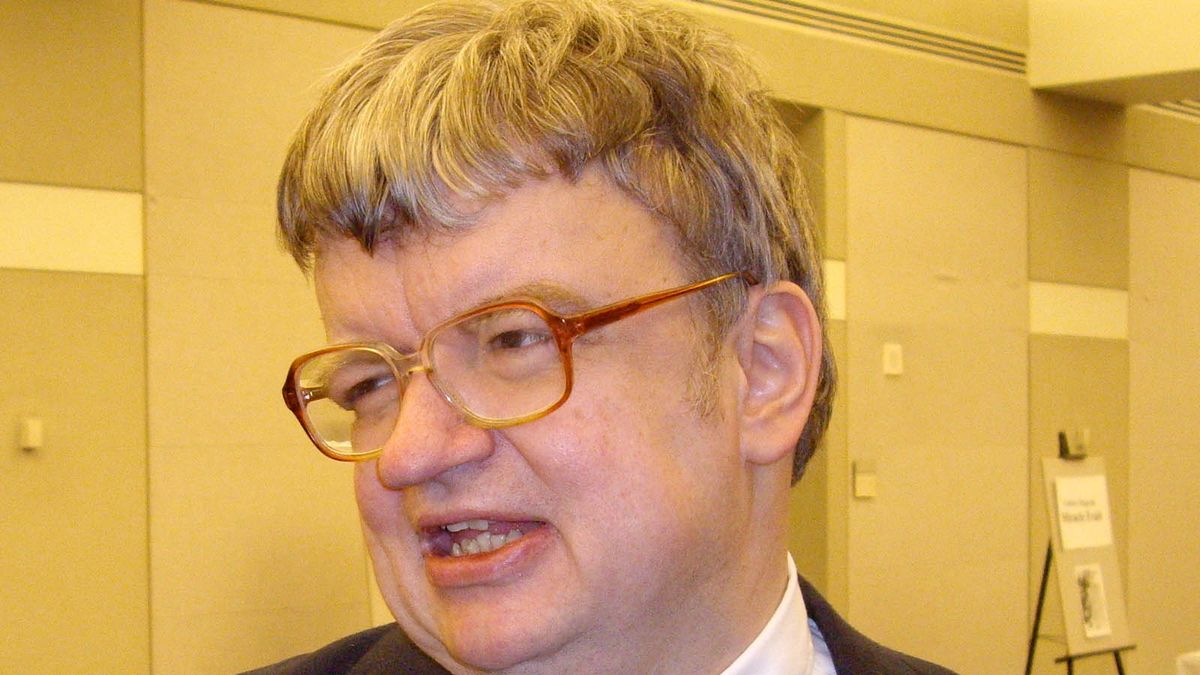
A common misconception is that people with autism are slow or mentally retarded. In fact, a small percentage of people with ASDs are remarkably gifted. Consider Kim Peek, the inspiration for Dustin Hoffman's character, Raymond Babbitt, in the 1988 film, "Rain Man." Peek has read more than 7,000 books, and can recall with photographic accuracy more than 80 percent of their contents. Given a person's date of birth, he can immediately produce the day of the week on which the person was born. London-born author and math whiz Daniel Tammet can recite the number pi to more than 20,000 digits, and fluently speaks 10 languages. He's even invented his own language, Manti.
There are also people who were diagnosed with autism as a child but may actually have Pervasive Developmental Disorder - Not Otherwise Specified (PDD-NOS). Dr. Temple Grandin, a professor of Animal Science at Colorado State University, is a famous example of a person who overcame autism and became highly successful. Dr. Grandin has designed livestock handling facilities used throughout the world, written four books -- including a New York Times bestseller -- and appeared on numerous TV and radio shows.
For lots more information about autism, autism spectrum disorders and related topics, check out the links on the next page.
Autism Organizations
- Autism National Committee (AUTCOM)
- Autism Society of America (ASA)
- Autism Speaks
Lots More Information
Related Articles
- How Your Brain Works
- Autism Guide
- 5 Therapies for Autistic Children
- What is the autism diet?
- Can TV viewing cause autism?
More Great Links
- Autism National Committee
- Autism Society of America
- CADDRE: Centers for Autism and Developmental Disabilities Research and Epidemiology
- Autism Speaks
- Dr. Temple Grandin
Sources
- "Are Autism Cases on the Rise in the U.S.?" HealthDay, Feb. 16, 2007. http://www.nlm.nih.gov/medlineplus/news/fullstory_45428.html
- Associated Press via New York Times. "Study Linking Vaccine to Autism is Called Fraud." Jan. 6, 2011. (March 14, 2011)http://query.nytimes.com/gst/fullpage.html?res=9C02E7DC1E3BF935A35752C0A9679D8B63
- "Autism and Genes." National Institute of Child Health and Human Development. http://www.nichd.nih.gov/
- Autism Fact Sheet. National Institute of Neurological Disorders and Stroke. http://www.ninds.nih.gov/disorders/autism/detail_autism.htm?css=print
- Autism Information Center: Centers for Disease Control and Prevention http://www.cdc.gov/ncbddd/autism/overview.htm
- Autism Society of America http://www.autism-society.org/
- "Autism Spectrum Disorders." National Institute of Mental Health. http://www.nimh.nih.gov/publicat/autism/cfm
- "Biomedical and Dietary Approaches." Autism Society of America. http://www.autism-society.org/site/PageServer? pagename=about_treatment_biomedical
- Blakemore, Bill. "Study Suggests Autism Causes are Genetic." http://www.abcnews.go.com/WNT/print?id=2886015
- "CDC Research on Vaccines & Autism." Centers for Disease Control and Prevention. http://www.cdc.gov/nip/vacsafe/concerns/autism/autism-research.htm
- CNN. "Retracted autism study an 'elaborate fraud,' British journal finds." Jan. 5, 2011. (March 14, 2011)http://www.cnn.com/2011/HEALTH/01/05/autism.vaccines/index.html
- Edelson, Stephen M., Ph.D., "Theory of Mind." Center for the Study of Autism. http://www.autism.org/mind.html
- Hertz-Picciotto, Irva, et al. "The CHARGE Study: An Epidemiologic Investigation of Genetic and Environmental Factors Contributing to Autism." Environmental Health Perspectives, Volume 114, Number 7, July 2006, page 1119.
- Kalb, Claudia. "When Does Autism Start?" Newsweek, February 28, 2005. Volume 145, pgs. 45-51.
- "Largest-Ever Search for Autism Genes Reveals New Clues." National Institutes of Health, Feb. 18, 2007. http://www.nih.gov/news/pr/feb2007/nimh-18.htm
- Lyall, Sarah. "Brainman, At Rest in his Oasis." The New York Times, Feb. 15, 2007.
- Ma, D. Q., et al. "Identification of Significant Association and Gene-Gene Interaction of GABA Receptor Subunit Genes in Autism." American Journal of Human Genetics, September 2005, Volume 77, pg. 377.
- The Medical/Psychiatric Diagnosis of Autism: The DSM-IV Criteria http://www.autism-watch.org/general/dsm.shtml
- MMR Vaccine and Autism Fact Sheet. Centers for Disease Control and Prevention. http://www.cdc.gov/nip/vacsafe/concerns/autism/autism-mmr-facts.htm
- NAAR Autism Genome Project: Fact Sheet http://www.naar.org/news/pdfs/agp1a.pdf
- "Prevalence of the Autism Spectrum Disorders in Multiple Areas of the United States, Surveillance Years 2000 and 2002." Centers for Disease Control and Prevention. http://www.cdc.gov/ncbddd/dd/addmprevalence.htm
- "Prevalence of Autism Spectrum Disorders." Centers for Disease Control and Prevention. http://www.cureautismnow.org/atf/cf/%7B0FE985F1-B3E3- 476B-92EF-73240E60AF4D%7D/070208_CDC _MMWR_ASD_prevalence.pdf
- "Study Provides Evidence that Autism Affects Functioning of Entire Brain." National Institutes of Health, Aug. 16, 2006. http://www.nichd.nih.gov/news/releases/autism_affects_brain.cfm? from=autism
- «Технический отчет: роль педиатра в диагностике и лечении расстройств аутистического спектра у детей». Комитет Американской академии педиатрии по делам детей с ограниченными возможностями. Педиатрия, Том. 107, № 5, май 2001 г.
- Уоллис, Клаудия. «Внутри аутистического разума». Время, 15 мая 2006 г. Том. 167, стр. 42-48.
Узнайте больше об аутизме прямо сейчас
Для получения дополнительной информации об аутизме и о том, как вы можете принять участие, посетите сайт AutismSpeaks.org .