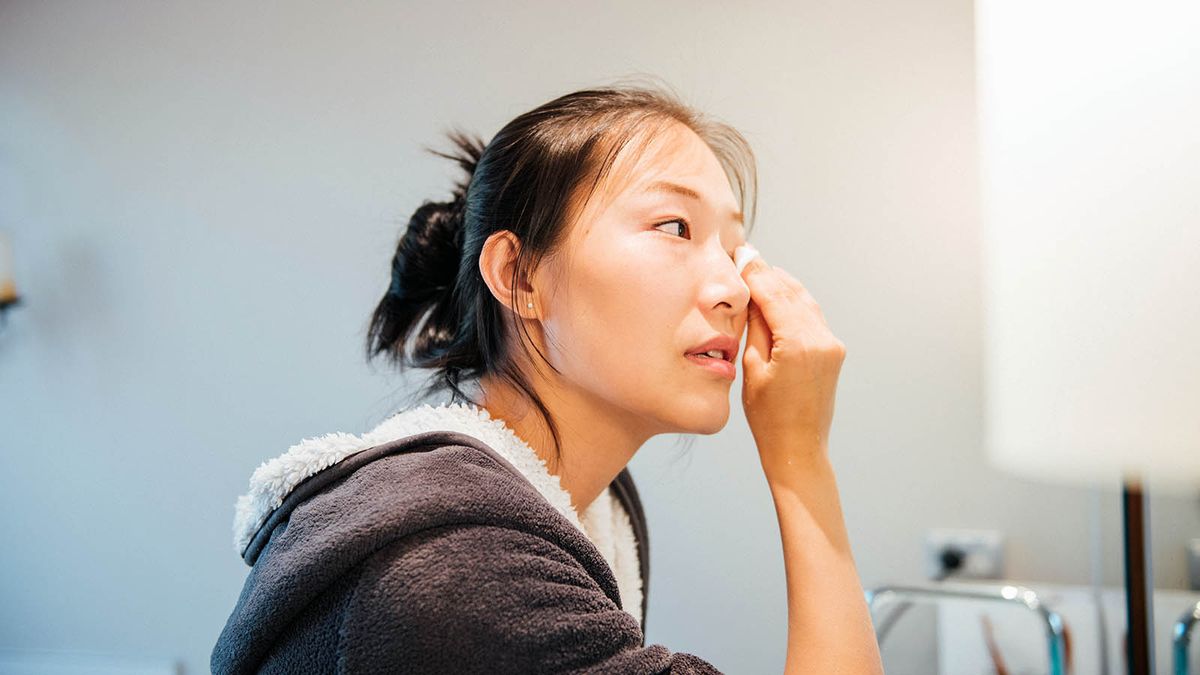
미국에는 오늘 아침에 일어나서 화장실로 뛰어 들어가 거울을 보며 "아, 어서!"라고 외친 사람이 약 1,700만 명에 달합니다. 그런 다음 많은 사람들이 여드름을 없애기 위해 얼굴을 문지르고, 씻고, 껍질을 벗기고, 따기 시작했습니다.
이러한 여드름 환자의 대부분은 10대와 20대입니다. 그러나 좋은 시기는 항상 청소년기가 지나고 끝나는 것은 아닙니다. 성인에게도 여드름이 생깁니다. 이 잔인한 세상에서는 아기도 이해합니다. 우리 삶의 어느 시점에서 우리 대부분은 여드름의 불쾌함을 경험할 것입니다.
여드름은 화이트헤드, 블랙헤드, 여드름, 심지어 크고 낭포 같은 덩어리까지 다양한 형태로 나타날 수 있습니다 . 본질적으로 피부의 모낭 중 하나가 차단되어 발생합니다. 감염이 심화되고 이 막힘 뒤에 압력이 가해지면 피부 위에 고름이 가득 찬 돌기가 형성됩니다. 바로 두려운 여드름입니다. 잠시 후 일이 원활하게(그리고 그렇게 매끄럽지 않을 때) 피부가 어떻게 기능하는지 자세히 살펴보겠습니다.
우리는 여드름이 어떻게 형성되는지 그리고 주사 와 같은 일부 질환 이 여드름을 유발하는 이유를 알고 있지만 치료 방법에 대해서는 의견이 다릅니다. 이 기사에서는 여드름이 무엇인지, 원인이 무엇인지, 처음에 여드름이 나타나지 않도록 하는 방법과 여드름이 나타난 후에 제거하는 방법에 대해 알아보겠습니다. 벤조일 퍼옥사이드로 씻거나 항생제를 복용하는 것과 같은 좀 더 전통적인 방법 외에도 레이저 및 이소트레티노인과 같은 여드름과의 전쟁에서 최신 무기를 살펴보겠습니다. 따라서 여드름으로 고생하는 경우 턱을 들어 올리십시오. 그리고 당신이 할 수 없다면, 우리는 당신을 짓누르는 거대한 턱 여드름을 제거하는 몇 가지 방법을 가르쳐 줄 것입니다.
- 당신의 표피가 보이고 있습니다
- 피부층
- 여드름 원인: 피부가 공격받을 때
- 화이트헤드, 블랙헤드 및 기타 여드름 병변
- 아기 여드름, 사춘기 전 여드름, 주사비, 오 마이!
- 여드름에 대한 오해
- 여드름 예방
- 여드름 치료
당신의 표피가 보이고 있습니다

성인의 가죽을 벗기면 10파운드(4.5킬로그램)가 넘는 4x5피트(1.2x1.5미터) 면적 깔개를 만들기에 충분한 재료가 있을 것입니다[출처: Chudler ]. 그 피부 깔개는 두께가 다양하지만 신체에서 가장 큰 기관입니다. 피부에서 가장 얇은 부분인 눈꺼풀은 두께가 0.5밀리미터에 불과하지만 가장 두꺼운 피부는 발바닥에 있으며 약 1.5밀리미터 두께의 패드가 있습니다[출처: Amirlak, et al ].
당신이 누군가를 볼 때 당신은 안구, 머리카락 , 치아, 옷, 그리고 수백만, 수백만 개의 죽은 피부 세포를 보고 있는 것입니다. 그게 다야 당신이 보는 모든 피부는 늙고 죽은 피부입니다. 이것은 피부의 가장 바깥층인 표피 의 가장 바깥층. 새로운 피부는 그 아래, 표피의 가장 안쪽 층에 형성되고 있습니다. 새로운 피부 세포가 생성되면서 피부 표면을 향해 바깥쪽으로 이동하기 시작합니다. 새로운 세포와 피부 표면 사이에 존재하는 오래되고 죽어가는 피부 세포는 이 새로운 세포에 의해 밀어 올려져 나옵니다. 피부 세포가 표피의 내부 층에서 외부 층으로 이동하는 데 한 달이 걸릴 수 있습니다. 하나의 세포가 그렇게 짧은 거리를 이동하는 데 오랜 시간이 걸리는 것처럼 보이지만 4천만에서 6천만 사이의 이 세포가 매일 목적지에 도달하여 피부에서 자유로이 도약합니다[출처: KidsHealth ]. 인간은 시력이 상당히 좋은 편이지만, 1분에 40,000개의 각질이 떨어져 나가는 것을 볼 수 없다는 것은 어쩌면 축복일 것입니다.
표면 너머로 가자.
피부층

표피 아래에는 진피 라고 하는 피부층이 있습니다. 이 층에는 땀샘 과 피지샘이 있습니다. 피지 는 방수 기능을 하는 오일입니다. 땀샘에서 나오는 땀과 피지는 모공 이라고 하는 좁은 통로를 통해 피부 표면으로 이동합니다 . 따라서 하루 중 매초 당신의 몸은 당신의 모공을 통해 수천 개의 서로 다른 세포를 외부로 방출하고 있으며, 당신의 모공은 이러한 세포 유목민에게 안전한 통로를 제공하고 그들이 당신의 몸을 빠져나갈 수 있게 해준다는 점에서 많은 공로를 인정받을 자격이 있습니다. 이 모든 죽은 피부 세포, 기름진 피지 및 땀은 보호 혼합물을 형성합니다( 리놀레산 과 같은 다른 지질과 함께) 피부 표면에 이 보호막은 피부가 건조해지는 것을 막고 유해한 박테리아가 피부에 침투하는 것을 방지합니다. 실제로 남성은 여성보다 피지를 더 많이 생산하지만, 두 성별 모두 사춘기 동안 피지 수준을 높입니다. 피지 생성의 급증은 사춘기와 여드름이 악의적 인 동맹을 형성하는 이유입니다.
피부의 가장 안쪽 층을 피하층이라고 합니다. 이것은 모낭이라고 하는 구멍 같은 관의 바닥에서 모발이 자라기 시작하는 곳입니다. 모발이 이 모낭에서 자라면서 피부의 다른 층을 통과하여 그 과정에서 피지 코팅을 수집합니다. 이것은 광택과 방수성을 유지합니다. 이것이 또한 머리를 감지 않고 며칠을 지내면 머리가 기름지고 미친 방향으로 튀어나오는 이유이기도 합니다.
터널에서의 자동차 충돌이 그 뒤의 주요 교통 막힘을 일으키는 것과 마찬가지로 모공이나 여포의 정체도 마찬가지입니다. 다음 섹션에서 이러한 셀룰러 충돌과 유분 제거에 대해 이야기할 것입니다.
망자의 흔적
매일 약 5천만 개의 죽은 피부 세포 흔적을 남깁니다[출처: Chudler ].
여드름 원인: 피부가 공격받을 때
피지가 많은 곳에는 가장 흔한 형태의 여드름인 심상성 여드름 이 잘 자라는 곳이 있습니다. 얼굴, 등 위쪽, 어깨 및 가슴 위쪽에는 신체의 다른 부위 보다 피지 모낭 이 더 많기 때문에 이 부위가 여드름의 표적이 됩니다. 10명 중 8명 이상이 평생 동안 심상성 여드름을 알게 될 것입니다[출처: Harper ].
심상성 여드름에 대한 모든 책임을 질 수 있는 단일 요인은 없습니다. 다음 모두가 역할을 하는 것 같습니다.
- 모낭의 과도한 세포 분열 . 연구자들은 이것을 여드름의 첫 번째 유발 요인으로 지적하지만, 피부 세포가 망가지고 증식하는 원인이 무엇인지 완전히 확신하지 못합니다. 안드로겐 호르몬이 역할을 하는 것 같습니다. 너무 많은 세포가 모두 같은 좁은 모낭을 통해 빠져나가려고 하면 그것은 단 한 가지, 즉 탈출을 의미합니다.
- 너무 많은 피지 . 사춘기에 접어들면 우리 몸은 호르몬 생산과 그 호르몬에 대한 민감도를 증가시킵니다. 이것은 차례로 피지 생성을 과도하게 만듭니다.
- 박테리아 . 구체적으로, 프로피오니박테리움 아크네스 또는 줄여서 P. 아크 네스 로 알려진 박테리아 입니다. 이 박테리아는 종종 여드름 병변에서 발견될 수 있습니다. 이 박테리아는 심상성 여드름의 네 번째 원인인 염증을 유발합니다.
- 염증 . 피부 세포와 피지가 모낭을 막히게 되면 세균이 나타나 염증을 일으키게 됩니다. 나쁜 장면을 더 나쁘게 만드는 것에 대해 이야기하십시오. 이제, 막힌 모낭을 백업하는 대신 바깥쪽으로 튀어나와 민감하거나 만지면 아프고 보기 흉합니다.
화이트헤드, 블랙헤드 및 기타 여드름 병변

Depending on the exact course of events, blockage, infection and inflammation can result in different types of lesions on your skin. The two most common are whiteheads and blackheads.
Whiteheads may seem like they appear overnight, but they can actually take up to two months to form before they're visible. Whiteheads form when the pore is totally blocked, and the growing matter has forced the comedo (blockage) to just beneath the surface of the skin.
If there is a plug of cells in the pore and the pore opening expands, so that it's not entirely blocked off, then a blackhead appears. The portion of the comedo that is nearest the surface has a concentration of melanin, giving it its appearance and appropriate name.
If a pore becomes blocked and the wall of the pore collapses and releases the bacteria-ridden clog of skin cells and sebum into the dermis layer of the skin, it leads to other, more severe forms of acne lesions. Among these:
- Papules. Papules are small (less than half an inch across) bumps that are round and feel somewhat firm to the touch. Papules can get infected if you pick at them or roughly scratch them and open them up.
- Pustules. Less-scientific circles commonly refer to pustules as "zits." These are the pus-filled pimples that form in your follicles and sweat glands.
- Nodules. Nodules are large and hard, existing just beneath the skin. If you set your mind to squeezing or agitating them, they can leave behind elements that may cause the big bump to come back again and again.
- Suppurative nodules. Many people call these cysts or boils, and though they resemble and feel like cysts, they're not (cysts have other traits -- such as the ability to contain trapped gases -- and have different causes, like genetics or tumors). These should be examined and treated by a dermatologist.
Now that we know about acne vulgaris in all its forms, we'll learn about other kinds of acne in the next section.
Baby Acne, Prepubertal Acne and Rosacea, Oh My!
It's possible to be afflicted with acne in one form or another from the cradle to the grave. Fortunately, most of us only suffer from it for a period of several years in our lives, and then move on. Others, however, have to deal with it before, during and long after puberty.
Babies (as well as kids and grown-ups) can develop a form of acne called milia. This appears in the form of little white bumps across the face, usually on the nose or around the eyes. This is extremely common, occurring in about half of all babies. If your infant has milia , it's nothing to freak out about -- in fact, if your pediatrician confirms it is just milia, the doctor's orders will be to do absolutely nothing about the condition. It will clear up in its own good time. Researchers believe milia in infants is the result of undeveloped sebaceous glands, which causes these little cysts to develop in the pores and hair follicles.
A considerably more rare form of acne is prepubertal acne. This is nonmilial acne that forms in children before the first physical signs of puberty, such as the growth of pubic hair. Prepubertal acne may be caused by an imbalance in androgens, which are sex hormones such as testerone. While these hormones greatly increase at puberty and signal the body to initiate its growth changes, a premature release of androgens may cause sebum levels to also increase before puberty. Children who show signs of prepubertal acne should be checked out by a doctor.
Persistent and returning bouts of acne are sometimes caused by a condition called rosacea. Rosacea tends to show up and disappear on its own time table, and months can pass between flare-ups. When it does become active, it passes through several stages. As these stages progress, the condition worsens and will usually continue to worsen until medical treatment is sought.
A person experiencing prerosacea will notice an increased amount of what appears to be blushing , or getting flushed easily. This is because blood vessels in the face are dilating more than they should. Worse, this redness tends to center itself in the face, so that, come December, your nose may very well be guiding the sleigh. Rosacea ultimately causes outbreaks that look a lot like acne vulgaris: pimples, bumps and a rashy redness. However, it can cause dilation of blood vessels in the nose (so that it looks like you've been drinking heavily) and even swelling of the nose.
Get It Now or Get It Later
More males than females get acne vulgaris around the time of puberty, but more females than males are afflicted later on in life. In fact, about one in 10 females aged 25 will have acne vulgaris, while only one in 20 males will have it at the same age [source: Harper].
Acne Myths
Knowing as we do that acne is caused by too many skin cells, too much sebum, bacteria and inflammation, let's take a look at what doesn't cause it. These acne myths have been circulating throughout high schools for decades:
- Diet. While it may give us stomach aches, plump us up and make the idea of wearing fashionable jeans a comical notion, our skin isn't really affected by greasy pizza , fried chicken skin or chocolate-covered anything. (Just wash your hands after you put down that deep-fried Twinkie.) While a few studies have shown possible links between diet and acne, there's not enough research to support the conclusion.
- Our parents. There may be a connection between your genes and sebum overproduction, but, overall, your acne is uniquely yours, so you can't throw all the blame on mom and dad for this one.
- Dirt. Although it seems to fly in the face of logic, having a dirty mug won't cause acne. No, the problem comes from the inside out. In fact, if you try too hard to clean your face, you may actually irritate your skin and make matters worse.
- Most makeup products. It's unlikely your makeup products are resulting in blemishes, especially if they're labeled "oil-free" or "noncomedogenic." However, some people have skin that gets more irritated than that of others, so if you think your makeup is contributing to your outbreaks, stop wearing it or change products. Also, in general, be sure to thoroughly but gently remove all makeup from your face at the end of each day.
So if avoiding pizza doesn't prevent it, what does? On the next page, we'll take a look at some acne prevention strategies. Here's a hint -- take a yoga class, or at least a deep breath.
Preventing Acne

The easiest thing you can do is start cleaning your face (gently!) with warm water and soap. Twice a day should do the trick -- more than that, and you might just agitate your skin into a breakout. This will help clear the pores of dead skin cells and excess sebum.
If you break a sweat , be sure to shower as soon as possible afterward to prevent excessive oil buildup on your skin.
Loosen up -- with your attitude and your clothing. Nobody is insisting you turn into a laid-back hep cat, but tight clothing, straps, bandages and the like can all irritate the skin. Stress -- while not a primary culprit -- does seem to contribute to acne breakouts, perhaps by disrupting your hormone levels.
Try using some over-the-counter acne medications. These often come in creams, gel tubes or medicated pads and often contain either benzoyl peroxide or salicylic acid. These two substances help prevent acne in different ways:
- Benzoyl peroxide kills P. acnes bacteria and also dries out the face (even leading to mild peeling), which many believe helps prevent acne.
- Salicylic acid works to help the follicles clear themselves of dead and dying skin cells.
Both of these substances are available in varying strengths. You should start out with just a little bit of the weakest kind available, and see how your skin reacts. Many people find that one or the other works miracles, but of course all of us are different and react in different ways to medications.
With any luck, these measures will prevent you from having an acne breakout. If not, head on over to the next section to learn how to get rid of acne once it's crashed the party.
Treating Acne
If you have acne, don't pick at your face! Clean it, get a facial, go see a dermatologist (who can pop those pesky pimples for you), just don't take matters into your own hands. A zit that sticks around for a week or more is far better than a scar that sticks around forever.
Here are some other things that might help:
- Oral antibiotics that kill the P. acnes bacterium. Tetracycline is a common antibiotic used for this purpose, and it works by taking away the bacteria's ability to produce proteins.
- Topical antibiotics. A note of warning -- as is the case with oral antibiotics, it's possible for the P. acnes bacteria to become increasingly resistant to the antibiotics.
- Retinol, a substance produced from vitamin A that causes your skin to dry out and peel.
- Chemical peels using glycolic acid, an exfoliating agent that will loosen up and separate dead skin cells in your pores.
- Birth control pills. Some women have had success treating your acne with oral contraceptives, which reduce sebum production in women.
- Isotretinoin. This medication, which comes in drugs like Accutane, can often treat acne that's resistant to other types of treatment. The use of isotretinoin must occur under strict medical supervision due to its serious side effects.
- 미세 박피술 . 미세 박피술 은 얼굴을 씻는 것보다 훨씬 시원한 방법 으로 작은 장치가 결정체를 피부에 불어 넣은 다음 진공 청소기로 청소하는 과정입니다.
- 레이저 . 다이오드 레이저는 피부 표면을 손상시키지 않으면서 피지선을 낭비합니다. (국소 진통제는 종종 치료에 사용되며, 이는 상처를 줄 수 있습니다.)
- 빛과 열처리 . 다양한 형태의 저강도 빛(파란색, 빨간색, 녹색-노란색 또는 조합)이 P. 아크네스 박테리아 를 죽이는 데 효과적인 것으로 보입니다 . 열을 사용하면 피지선의 크기가 줄어듭니다.
- 여드름 흉터 치료 . 여드름 흉터에 지방이나 콜라겐을 주입하거나 레이저 로 치료하는 등 여드름 흉터를 덜 눈에 띄게 만드는 데 도움이 되는 여러 가지 방법이 있습니다 . 수술은 또한 미세 박피술과 같은 피부 박리 치료와 같이 특히 심각한 흉터를 채우는 데 도움이 될 수 있습니다.
아무도 여드름을 좋아하지 않으며 다행히도 여드름을 치료하는 데 도움이 되는 좋은 자료가 많이 있습니다. 의사나 피부과 의사와 상의하여 최선의 해결책을 찾으십시오. 약간의 운과 노력만 있으면 자신에게 적합한 해결책을 찾을 수 있습니다.
여드름, 피부 관리 및 호르몬에 관한 더 많은 기사를 보려면 다음 페이지의 링크를 참조하십시오.
더 많은 정보
관련 기사
- 스킨케어 팁
- 더 나은 피부를 위해 취할 수 있는 쉬운 조치는 무엇입니까?
- 산화 방지제의 작동 원리
- 일광 화상과 선탠의 작동 원리
- 여성이 일하는 방식
- 남성의 일하는 방식
- 여드름을 없애는 15가지 방법
- 오늘날 소녀들의 사춘기가 더 빨리 오는 이유는 무엇입니까?
더 많은 링크
- Sharecare.com: 여드름 Q&A
- Sharecare.com: 여드름 예방 Q&A
- Sharecare.com: 여드름 치료 Q&A
- 어린이용: 피부
- 여드름.org
- 아크네넷
출처
- 미국 피부과학회. "여드름이란?" (2009년 2월 20일) http://www.skincarephysicians.com/acnenet/acne.html
- 미국 여드름 및 주사 학회.http://www.acnesociety.org/i4a/pages/Index.cfm?pageID=3320
- Amirlak, Bardia, MD, et al. "피부, 해부학." 2008년 9월 5일. (2009년 2월 18일) http://emedicine.medscape.com/article/1294744-overview
- Chudler, Eric, Ph.D. "피부." 워싱턴 대학 공학 생체 재료. (2009년 2월 18일)http://faculty.washington.edu/chudler/receptor.html
- 드 라에브, 엘; et al. "사춘기 전 여드름: 안드로겐 과잉의 피부 표지자?" 미국 피부과학회지. 1995년 2월.http://www.ncbi.nlm.nih.gov/pubmed/7829699
- 백과사전 브리태니커. "리놀레산." (2009년 2월 19일) http://www.britannica.com/EBchecked/topic/342568/linoleic-acid
- 깁슨, 로렌스, MD. "여드름 흉터: 최선의 치료법은?" 2008년 5월 22일. http://www.mayoclinic.com/health/acne-scars/AN01835
- Harper, Julie C, MD.; Fulton Jr., James, MD, PH.D. "여드름." 2008년 7월 15일. (2009년 2월 18일) http://emedicine.medscape.com/article/1069804-overview
- 헬스스카우트. "좌창." (2009년 2월 20일)http://www.healthscout.com/ency/68/131/main.html
- 키즈헬스. "너의 피부." 2007년 3월. (2009년 2월 19일)http://kidshealth.org/kid/htbw/skin.html
- Kupiec-Banasikowska, Agnieszka, MD, et al. "주사." 2007년 2월 22일 (2009년 2월 20일) http://emedicine.medscape.com/article/1071429-overview
- Lee, Delphine J.; Shellow, William VR "여드름 관리". 일차 진료 의학: 성인 환자의 사무실 평가 및 관리(5 판 ). Lippincott Williams & Wilkins, 2006. ISBN 078177456X, 9780781774567.http://books.google.com/books?id=aWQhTbwoM9EC&pg=RA1-PA1191&dq=whiteheads+blackheads
- 의학 교육 및 연구를 위한 Mayo 재단. "주사." 2008년 11월 15일. (2009년 2월 18일) http://www.mayoclinic.com/health/rosacea/DS00308
- 메디신넷. "프로피오니박테리움 아크네스의 정의." 2004년 7월 29일. (2009년 2월 20일) http://www.medterms.com/script/main/art.asp?articlekey=38136
- 국립 관절염 및 근골격계 및 피부 질환 연구소. "좌창." 2006년 8월 (2009년 2월 18일) http://www.niams.nih.gov/Health_Info/Acne/acne_ff.asp
- Ogbru, Omudhome, Pharm.D. "테트라사이클린." 2008년 12월 19일. (2009년 2월 20일) http://www.medicinenet.com/tetracycline/article.htm
- 웹엠디. "피부 문제 및 치료 건강 센터: Rosacea." 2007년 7월 24일. (2009년 2월 18일)http://www.webmd.com/skin-problems-and-treatments/tc/rosacea-topic-overview