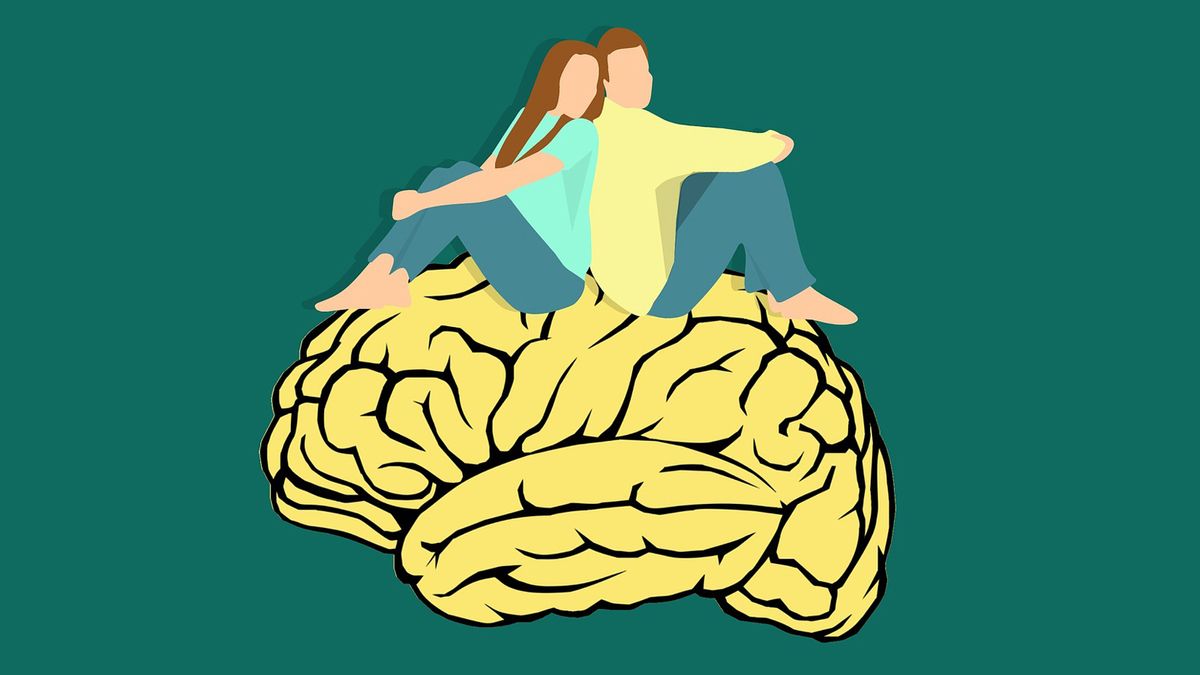
Mind, as used in psychology and philosophy, the part of a person that thinks, and that experiences such feelings as enjoyment, annoyance, anxiety, love, and hate. Mind is usually distinguished from that part of an animal organism that makes purely physical responses to physical stimulation. In humans, nearly all responses are under control of the mind, at least in part. There is evidence that even such automatic functions as heartbeat can be modified.
현대 심리학자들은 마음을 신경계 및 선 시스템의 다른 부분과 협력하여 뇌가 하는 활동 또는 활동 그룹으로 정의합니다. 일부 심리학자들은 이 정의를 사람이 의식하는 정신 활동으로 제한합니다. 다른 사람들은 또한 무의식적 마음, 즉 그 사람이 인식하지 못하는 정신적 활동을 인식합니다.
일부 철학자들은 마음이 뇌 기능 없이 존재할 수는 없지만 이 기능과 동일시되어서는 안 된다고 믿습니다. 그들은 마음이 살아있는 유기체 전체의 한 단계 또는 측면이라고 생각합니다. 이 철학자들은 정신을 생산하는 신체 과정에 관심을 두지 않고 이 연구를 심리학자와 생리학자에게 맡깁니다.
마음의 초기 개념은 그것을 영혼과 연결했습니다. 고대 그리스 철학자들의 대부분은 정신(정신 또는 영혼)을 소마(몸)와 분리된 것으로 생각했습니다. 구약에 표현된 히브리 신학에서 마음과 몸은 통일된 전체의 상호 관련된 부분으로 간주되었습니다. 별개의 실체로서의 마음과 몸에 대한 철학적 이론을 이원론(Dualism)이라고 합니다. 심신의 통일을 일원론이라고 합니다.
기독교 신학을 포함한 중세 철학은 이원론의 영향을 강하게 받았다. 이러한 영향은 계속되었고 17세기에 프랑스 철학자 렌 데카르트와 영국 철학자 존 로크에 의해 더욱 발전되었습니다.
Some Monists are Idealists; they believe that minds are the only realities. George Berkeley (1685–1753), an Irish philosopher, was a leading exponent of this theory. Other Monists are known as Materialists because they believe that mind is a bodily process. Thomas Hobbes (1588–1679), an English philosopher, expounded the theory that mind is only matter in motion.
Behaviorism, a school of psychology led by John B. Watson (1878–1958), tried to explain mental activity in physiological terms—as response to stimuli affecting the nervous system. Psychoanalysis, developed in the late 19th century by Sigmund Freud of Austria, is a subjective method of investigating and treating mental maladjustments. It is based on Freud's theory of the unconscious mind.
Dualism, together with the identification of mind with soul, had great influence upon scientific research, especially in the medical field. The body was treated by physicians, the mind by priests or ministers. The modern materialistic theory of mind as distinct from the religious concept of a soul, has made possible the scientific study of mental activity, and the medical treatment of mental illness. Psychosomatic medicine, which treats the patient as a unified being, is a scientific development of older monistic (but not necessarily materialistic) theories of mind and body.