Come posso effettuare una richiesta HTTP in Javascript e PHP?
Dec 15 2022
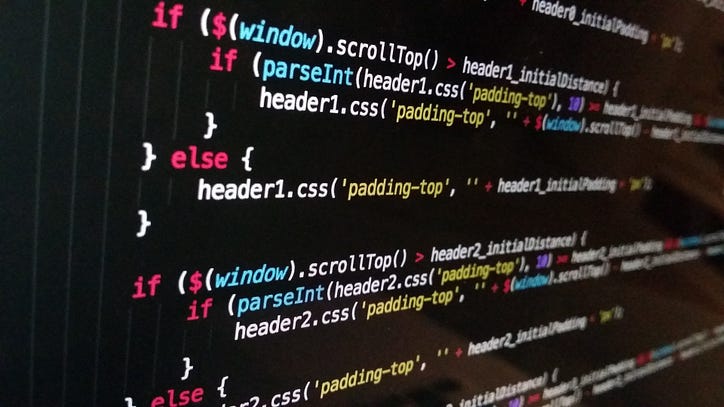
Per effettuare una richiesta HTTP in JavaScript, puoi utilizzare l'oggetto XMLHttpRequest o la nuova API fetch. Ecco un esempio che utilizza XMLHttpRequest: Nota che l'API fetch è supportata solo nei browser moderni, quindi potrebbe essere necessario utilizzare un polyfill o utilizzare XMLHttpRequest per i browser meno recenti.
Per effettuare una richiesta HTTP in JavaScript, puoi utilizzare l' XMLHttpRequestoggetto o l' fetchAPI più recente.
Ecco un esempio usando XMLHttpRequest:
var xhr = new XMLHttpRequest();
xhr.open('GET', 'https://www.example.com/', true);

xhr.onload = function() {
  if (this.status == 200) {
    var data = JSON.parse(this.response);
    console.log(data);
  }
};

xhr.send();
fetch('https://www.example.com/')
  .then(response => response.json())
  .then(data => console.log(data));
Si noti che l' fetchAPI è supportata solo nei browser moderni, quindi potrebbe essere necessario utilizzare un polyfill o ricorrere all'utilizzo XMLHttpRequestper i browser meno recenti.
E per effettuare una richiesta HTTP in PHP, puoi utilizzare la funzione integrata file_get_contents() o la più robusta libreria cURL.
Usando file_get_contents():
<?php
  // Set the URL of the request
  $url = 'http://www.example.com';

  // Send the request and store the response
  $response = file_get_contents($url);

  // Check for errors
  if($response === false) {
    // Handle error
  } else {
    // Use the response
  }
?>
<?php
    // Initialize cURL
    $ch = curl_init();

    // Set the URL of the request
    curl_setopt($ch, CURLOPT_URL, 'http://www.example.com');

    // Set cURL options
    curl_setopt($ch, CURLOPT_RETURNTRANSFER, true); // Return the response as a string
    curl_setopt($ch, CURLOPT_FOLLOWLOCATION, true); // Follow redirects

    // Send the request and store the response
    $response = curl_exec($ch);

    // Check for errors
    if(curl_errno($ch)) {
      // Handle error
    } else {
      // Use the response
    }

    // Close the cURL handle
    curl_close($ch);
?>
![Che cos'è un elenco collegato, comunque? [Parte 1]](https://post.nghiatu.com/assets/images/m/max/724/1*Xokk6XOjWyIGCBujkJsCzQ.jpeg)