Antes da década de 1970, a homossexualidade era frequentemente considerada uma doença mental . De fato, a Associação Psiquiátrica Americana (APA) classificou-a como tal em seu primeiro Manual Diagnóstico e Estatístico de Transtornos Mentais (DSM), publicado em 1952. Essa não era uma posição controversa na época – ela se mantinha com as normas vigentes. Mas então os ativistas gays começaram a protestar nas reuniões anuais da APA e apresentaram evidências científicas contra essa visão.
Em 1973, foi colocado em votação e a maioria (58%) dos membros da APA concordou que a homossexualidade não deveria mais ser considerada um transtorno mental [fonte: Group for the Advancement of Psychiatry ]. Essa mudança foi um grande passo para os direitos dos homossexuais e ajudou a mudar o pensamento da sociedade sobre a homossexualidade. Também demonstrou o poder do DSM, o manual de diagnóstico da APA, na opinião pública.
Já em sua quinta edição e conhecida como DSM-5 (esta é a primeira edição sem numeral romano), a publicação não oferece aconselhamento sobre tratamento ou medicação para os 157 distúrbios descritos em suas páginas. Em vez disso, foi projetado para ajudar os profissionais de saúde a identificar e diagnosticar melhor os transtornos mentais, como aqueles que afetam a personalidade, a cognição, o humor e a identidade. O manual também fornece códigos de diagnóstico uniformes para cada problema, que são usados para facilitar o faturamento e a coleta de dados [fonte: APA ]. Muitas vezes, se uma condição não estiver listada no DSM, as companhias de seguro de saúde dos EUA não pagarão pelo tratamento.
O manual é usado principalmente nos Estados Unidos, com grande parte dos profissionais de saúde do resto do mundo recorrendo à Classificação Internacional de Doenças (CID) da Organização Mundial da Saúde (OMS) , que abrange todas as doenças, não apenas as de natureza psiquiátrica. A APA incentiva os profissionais de saúde a considerarem o DSM-5 e o ICD como "publicações complementares", projetadas para serem compatíveis entre si.
Então, como isso começou? O DSM foi desenvolvido em resposta a uma necessidade óbvia de sistemas de classificação de doenças mentais. O Censo dos EUA de 1840 deu pequenos passos em direção ao eventual desenvolvimento do manual quando acrescentou incidentes de "idiotice/insanidade" à sua pesquisa. Esta foi possivelmente a primeira tentativa de coleta de informações estatísticas relacionadas a doenças mentais e, portanto, um grande negócio. Em 1880, o Censo aprofundou as categorias de saúde mental para incluir questões como demência, melancolia, epilepsia e mania [fonte: APA ].
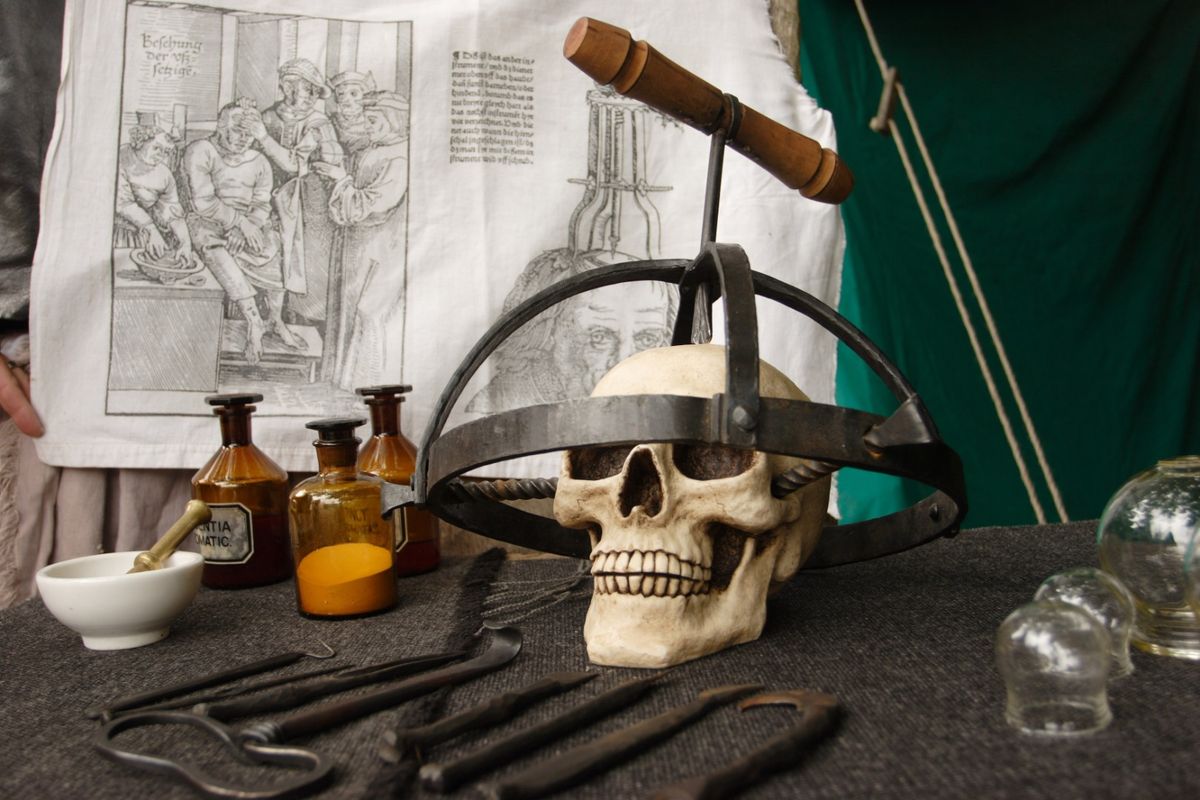
As instituições mentais do passado foram o material dos filmes de terror, um destino às vezes pior do que a morte para aqueles que acabaram atrás de seus muros. Há apenas um século, as pessoas eram internadas por problemas relativamente comuns e agora tratáveis, como o transtorno bipolar [fonte: Mental Health America ]. Felizmente, a detecção, o tratamento e o diagnóstico de doenças mentais, embora ainda longe de serem perfeitos, percorreram um longo caminho. Uma das medidas creditadas com a melhoria da qualidade do atendimento foi o desenvolvimento do DSM.
Em 1917, a Associação Médico-Psicológica Americana (precursora da APA) e a Comissão Nacional de Higiene Mental apresentaram um plano, adotado pelo Census Bureau, para reunir estatísticas uniformes de saúde em hospitais psiquiátricos. E em 1921 a APA começou a desenvolver classificações psiquiátricas para vários transtornos psiquiátricos graves. Após a Segunda Guerra Mundial, a APA usou um sistema de classificação maior desenvolvido pelo Exército dos EUA, pois estava tratando veteranos para desenvolver o primeiro DSM [fonte: APA] .
- O processo de classificação do DSM
- Mudanças do DSM-IV para o DSM-5
- A adição da Seção III
- Controvérsias e reversões com o DSM
O processo de classificação do DSM

A primeira versão oficial do DSM foi lançada em 1952, com a versão mais recente — DSM-5 — publicada em 2013 [fontes: Kawa e Giordano , APA ]. Cada atualização foi o resultado de anos de reuniões da Força-Tarefa do DSM-5, discussão de grupos de trabalho e contribuições de muitos especialistas psiquiátricos em todo o mundo. Hoje, o manual inclui um trio de componentes para cada transtorno:
A classificação diagnóstica contém a lista de transtornos mentais oficialmente reconhecidos. Todos os diagnósticos recebem um código de diagnóstico (obtido do CID da Organização Mundial da Saúde), que é útil para a coleta de dados, além de agilizar o processo de cobrança para provedores e instituições médicas.
Critérios diagnósticos também estão disponíveis para cada transtorno. O critério lista os sintomas, incluindo sua duração, que devem estar presentes para se obter um diagnóstico específico. Há também uma lista de outros distúrbios e sintomas listados que devem ser descartados primeiro.
O texto descritivo para cada transtorno contém informações sobre prevalência, desenvolvimento e curso, fatores de risco e prognóstico e outras informações relevantes.
Não é pouca coisa para uma doença mental ser adicionada ao DSM. Na verdade, o DSM-IV não era tão diferente do DSM-5, mas as mudanças que fizeram o corte foram completamente revisadas e discutidas por algumas das mentes mais importantes do campo psiquiátrico . O DSM-IV foi publicado em 1994, então a Força-Tarefa DSM-5 teve que revisar todos os estudos científicos publicados sobre transtornos psiquiátricos desde então. Lembre-se, o DSM-5 não foi publicado até 2013, então são quase 20 anos de pesquisa.
Following the comprehensive review, proposals to modify existing diagnoses were made, which required vigorous discussion and debate among the committee members, plus input from outside experts. All proposals were examined by the task force, as well as two additional committees created for a more independent-opinion, the Scientific Review Committee and a Clinical and Public Health Committee [source: APA].
New editing changes have streamlined the process, however. Rather than waiting decades between issues, experts can now submit changes online, helping to make the manual more timely and current. Once approved by the APA board of trustees, clinicians and other DSM users are notified about the edit, so they can make diagnosis changes in real time.
"This has been a major advance," says Dr. Philip Wang, director of the APA's research division, which supervises the DSM. He says this change has effectively turned DSM-5 into a "living document," of sorts. "Let's say there is enough scientific evidence and let's say there is a valid change, to have to wait 15 or 20 years for clinicians and patients to benefit from that change is unconscionable," he adds.
Once a change is made, users can hover over it in the online version to find out the pertinent details, what the previous material was, and the supporting scientific evidence that inspired the edit. "It's completely transparent, continuous, and at the end of the day, it hopefully is good for clinicians and benefits patients," Wang says.
Changes from DSM-IV to DSM-5

One of the major overhauls between DSM-IV to DSM-5 was done to handle the problem of excessive comorbidity, which is when one patient is diagnosed with two or more conditions. There was a lot of this going on with DSM-IV and earlier versions. "If someone was diagnosed with one condition they were likely to also be [incorrectly] diagnosed with having a second condition," Wang explains. "A lot of patients would fall in between categories, and there was a lot of use of a category called 'not otherwise specified' [NOS]. If you have that kind of comorbidity and that kind of use of NOS, it means that the categories are not quite working for patients and clinicians."
To address this problem, which clinicians had reported for many years previously, the DSM-5 combined nearly 30 disorders, effectively reducing diagnoses, comorbidity and unhelpful NOS. Two diagnoses were eliminated entirely, and 15 were added, according to Wang.
Probably the most well-known diagnosis removed was Asperger's syndrome , which is now classified under the autism spectrum disorder (ASD) diagnosis. This change was made in response to the research and clinical findings gleaned over the course of the previous couple of decades, with autism spectrum disorder revised to encompass four previously distinguished disorders (autistic disorder, Asperger's disorder, childhood disintegrative disorder and pervasive developmental disorder not otherwise specified) [source: Autism Society].
The hope is that refining the criteria and including a severity scale will make a diagnosis more valid and reliable. However, some critics expressed concern that removing a long-held diagnosis would negatively affect patients and their families and cause confusion in the billing/treatment communities [source: Autism Research Institute].
"I know that there was a lot of deliberation about it and then a lot of questioning," Wang explains of the switch. "It's something that people are still wrestling with." However, the advocacy group Autism Speaks points out that there should not be any change in accessing services or insurance coverage if someone's diagnosis was formerly Asperger's and is now ASD.
DSM-5 has also revamped disorders into a lifespan approach. Instead of classifying certain issues as solely "childhood disorders," it discusses how they change and manifest at all stages. DSM-5 also emphasizes the importance of parents in diagnosis and treatment. Also, although many disorders were streamlined, two childhood-specific issues were added.
Disruptive mood dysregulation disorder (DMDD) describes severe, recurrent outbursts of temper that are extremely inappropriate for the situation or in level of intensity. And social communication disorder (SCD) is "characterized by a persistent difficulty with verbal and nonverbal communication that cannot be explained by low cognitive ability," according to the APA. Prior editions of DSM didn't include the appropriate treatment for these problems because they had not been completely defined and studied, and as such treatment varied and suffered [source: APA: DSM-5 and Diagnoses for Children Fact Sheet].
The Addition of Section III
DSM-5 also introduced Section III, which is for conditions where there is not enough scientific data yet to determine whether they should be classified as psychiatric disorders. Among these conditions are Internet Gaming Disorder , Caffeine Use Disorder (see sidebar) and Persistent Complex Bereavement Disorder [source: APA].
Section III also contains measures and models that have potential to help clinicians better evaluate patients. "There's been a push that there are dimensions that run across disorders," Wang says. "Some patients have symptoms or signs that appear across many diagnostic categories. That's why they're ending up with lot of comorbid diagnoses."
So, the DSM-5 introduced the cross-cutting dimensional measure, which helps clinicians determine if there are underlying dimensions that could be present in multiple disorders. Although this approach is still in need of validation before it can be permanently included in the main DSM-5, Wang notes that many physicians already follow this line of thought. "It's like when primary care doctors do a review of systems," he explains. "They probe further if there's a positive. In mental health we need a mental health review of systems. That's what the DSM cross-cutting measure is."
Section III also includes a cultural formulation interview guide, with questions to help clinicians identify how a patient's cultural background affects their perception and presentation of psychiatric symptoms, treatment and diagnosis. "The interview provides an opportunity for individuals to define their distress in their own words and then relate this to how others, who may not share their culture, see their problems. This gives the clinician a more complete foundation on which to base both diagnosis and care," APA explains in a Section III Fact Sheet.
Caffeine Use Disorder (CUD) is a Thing
One or two cups of Joe is no big deal, but too much caffeine can actually result in "caffeine intoxication," which can even land a person in the hospital. DSM-5 added CUD to Section III as a possible diagnosis for further study. Until research either confirms or denies this diagnosis, stop to consider the following: Do you really want to quit caffeine use, or at least control it, but are unsuccessful? Do you continue to use caffeine even if you know it causes you physical or psychological issues? Do you experience excessive withdrawal if you do try to back off usage? If you answered yes to all three you could be a candidate for CUD [source: Addicott].
Controversies and Reversals With the DSM

Some key about-faces are proof that the DSM isn't opposed to changing with the times. Here are some examples of major turnarounds:
Consenting adults who enjoy relatively unconventional BDSM, fetishes or even cross-dressing need not fear being considered mentally ill, thanks to the DSM-5 update, which "depathologized" kinky sex. Instead, they are now considered people with "unusual sexual interests" [source: National Coalition for Sexual Freedom].
Also, in keeping with the greater acceptance of transgender people, DSM-5 replaced the diagnosis of "gender identity disorder" with the less controversial "gender dysphoria," which does not classify those who don't identify with their birth gender as having a mental disorder. However, the diagnosis does spell out some of the challenges of living with gender dysphoria, as well as the different paths people choose to take to resolve this [source: APA]. (Some critics of the change point out that some insurance companies won't cover hormonal or surgical treatment if the condition is not considered a mental disorder.)
Another big change was the removal of homosexuality as a mental disorder from DSM-II. "APA's 1973 diagnostic revision was the beginning of the end of organized medicine's official participation in the social stigmatization of homosexuality," writes Jack Drescher in the journal Behavioral Sciences. "Similar shifts gradually took place in the international mental health community as well. In 1990, the World Health Organization removed homosexuality per se from the International Classification of Diseases (ICD-10). "
This was all accomplished in baby steps. Initially, DSM-III made a distinction between people who were comfortable with their homosexuality and those who weren't — the latter could be diagnosed with the mental disorder Sexual Orientation Disturbance. Eventually, this diagnosis was also removed from the manual in the 1980s [source: Group for the Advancement of Psychiatry].
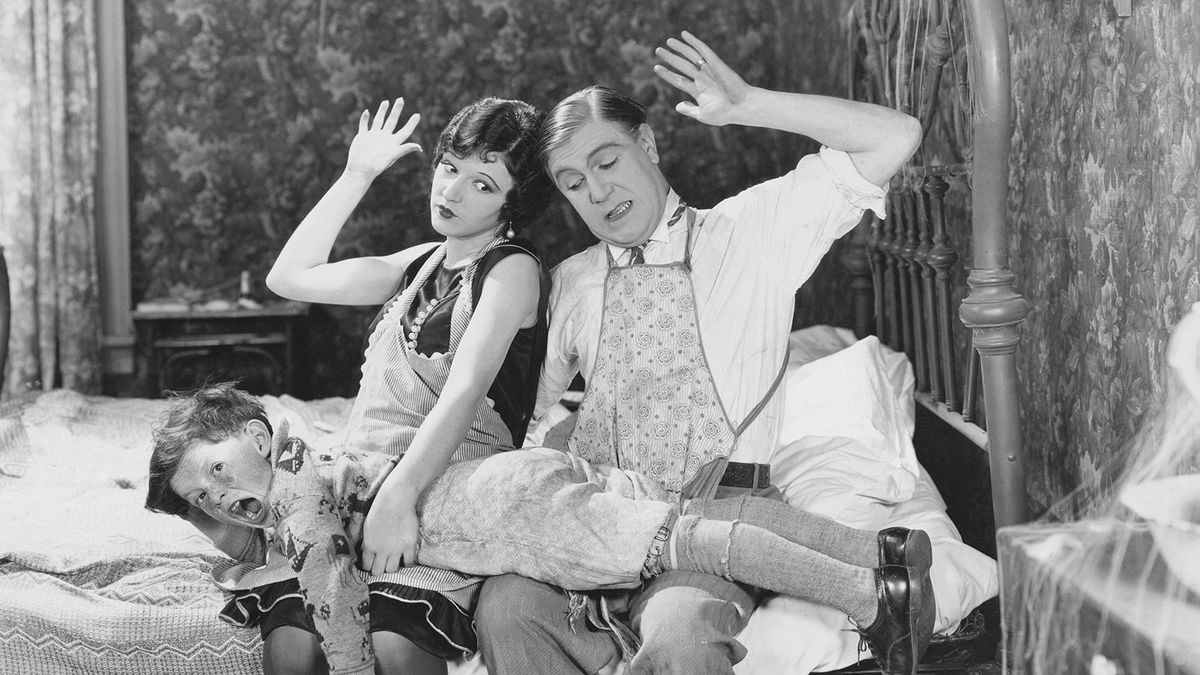
One complaint about the DSM is that once a condition is included in the manual, it may turn what once was considered "normal" behavior into a pathological illness that must be treated — often with medication. "Many millions of people with normal grief, gluttony, distractibility, worries, reactions to stress, the temper tantrums of childhood, the forgetting of old age, and 'behavioral addictions' will soon be mislabeled as psychiatrically sick and given inappropriate treatment," wrote psychiatrist Allen J. Frances in Psychology Today at the time that DSM-5 was going to press.
But Wang points out that DSM-5 has incorporated an acuity measure to help with that, since so many disorders range widely in their severity. These scales help clinicians better evaluate symptoms and levels of impairment. For example, let's say you're grieving over the death of your father. Are you still able to cope with life or are you barely able to get out of bed? Once assessed, clinicians will be better able to land on the appropriate treatment, whether medication, watchful waiting, talk therapy or a combination of these [source: APA Integrated Assessment fact sheet].
Lots More Information
Author's Note: How the DSM (Diagnostic and Statistical Manual of Mental Disorders) Works
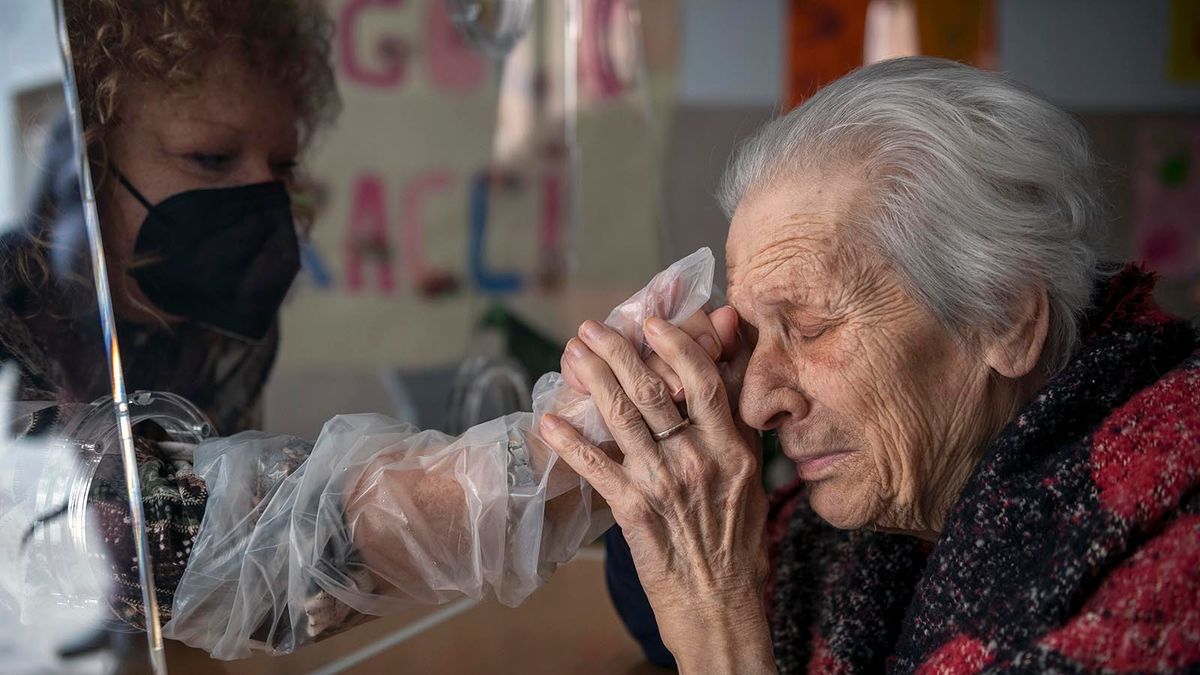
The human mind is marvelous, but for some can be a terrible trap of sorrow, anxiety and a million other emotions. People dealing with mental illness (not to mention the loved ones who support them) deserve an up-to-date, fully considered guide to help them and their clinicians provide the best support possible. Let's hope the DSM continues to strive for these noble goals.
Related Articles
- Is it possible to share your psychosis?
- Can TV viewing cause autism?
- How Schizophrenia Works
- How PTSD Works
- Do We Really Need Internet Addiction Treatment Centers?
More Great Links
- DSM-5
- This American Life: 81 Words
Sources
- Addicott, Merideth A. "Caffeine Use Disorder: A Review of the Evidence and Future Implications." Current Addiction Reports. Sept. 2014 (Sept. 17, 2017) https://www.ncbi.nlm.nih.gov/pmc/articles/PMC4115451/
- American Psychiatric Association. "About DSM-5." 2017 (Sept. 10, 2017) https://www.psychiatry.org/psychiatrists/practice/dsm/about-dsm
- American Psychiatric Association. "DSM History." 2017 (Sept. 10, 2017) https://www.psychiatry.org/psychiatrists/practice/dsm/history-of-the-dsm
- American Psychiatric Association. "DSM-5 and Diagnoses for Children Fact Sheet." 2017 (Sept. 15, 2017) https://www.psychiatry.org/psychiatrists/practice/dsm/educational-resources/dsm-5-fact-sheets
- American Psychiatric Association. "DSM-5: Frequently Asked Questions." 2017 (Sept. 10, 2017) https://www.psychiatry.org/psychiatrists/practice/dsm/feedback-and-questions/frequently-asked-questions
- American Psychiatric Association. "ICD vs. DSM." 2017 (Sept. 10, 2017) http://www.apa.org/monitor/2009/10/icd-dsm.aspx
- American Psychiatric Association. "Integrated Assessment Fact Sheet." 2017 (Sept. 15, 2017) https://www.psychiatry.org/psychiatrists/practice/dsm/educational-resources/dsm-5-fact-sheets
- American Psychiatric Association. "Making a Case for New Disorders." 2017 (Sept. 10, 2017) https://www.psychiatry.org/File%20Library/Psychiatrists/Practice/DSM/APA_DSM-5-Making-Case-for-New-Disorders.pdf
- American Psychiatric Association. "Section III Fact Sheet." 2017 (Sept. 15, 2017) https://www.psychiatry.org/psychiatrists/practice/dsm/educational-resources/dsm-5-fact-sheets
- American Psychiatric Association. "What is Gender Dysphoria?" 2017 (Oct. 2, 2017) https://www.psychiatry.org/patients-families/gender-dysphoria/what-is-gender-dysphoria
- Autism Research Institute. "Updates to the APA in DSM-V – What do the Changes Mean to Families Living with Autism?" 2017 (Oct. 2, 2017) https://www.autism.com/news_dsmV
- Autism Society. "Asperger's Syndrome." 2017 (Sept. 15, 2017) http://www.autism-society.org/what-is/aspergers-syndrome/
- Centers for Disease Control and Prevention. "Mental Health Basics." 2017 (Sept. 10, 2017) https://www.cdc.gov/mentalhealth/basics.htm
- Drescher, Jack. "Out of DSM: Depathologizing Homosexuality." Behavioral Sciences. Dec. 2015 (Sept. 17, 2017) https://www.ncbi.nlm.nih.gov/pmc/articles/PMC4695779/
- Frances, Allen J. M.D. "DSM-5 is Guide Not Bible – Ignore Its 10 Worst Changes." Psychology Today. Dec. 2, 2012 (Sept. 17, 2017) https://www.psychologytoday.com/blog/dsm5-in-distress/201212/dsm-5-is-guide-not-bible-ignore-its-ten-worst-changes
- Group for the Advancement of Psychiatry. "The History of Psychiatry and Homosexuality." (Oct. 6, 2017) http://www.aglp.org/gap/1_history/
- Kawa, Shadia and James Giordano. "A brief historicity of the Diagnostic and Statistical Manual of Mental Disorders: Issues and implications for the future of psychiatric canon and practice." Philosophy, Ethics and Humanities in Medicine. Jan. 13, 2012 (Sept. 10, 2017) https://www.ncbi.nlm.nih.gov/pmc/articles/PMC3282636/
- Saúde Mental América. "Nossa história." 2017 (10 de setembro de 2017) http://www.mentalhealthamerica.net/our-history
- Coalizão Nacional para a Liberdade Sexual. "O DSM diz que Kink está bem!" 2017 (17 de setembro de 2017) https://www.ncsfreedom.org/key-programs/dsm-v-revision-project/dsm-v-program-page
- Wang, Philip, MD, PhD. Associação Americana de Psiquiatria. Entrevista por telefone, 10 de setembro de 2017.
- Organização Mundial da Saúde. "CID-10." 2017 (10 de setembro de 2017) http://www.who.int/classifications/icd/en/