Trước những năm 1970, đồng tính luyến ái thường được coi là một bệnh tâm thần . Thật vậy, Hiệp hội Tâm thần Hoa Kỳ (APA) đã phân loại nó như vậy trong Sổ tay Chẩn đoán và Thống kê đầu tiên về Rối loạn Tâm thần (DSM), được xuất bản vào năm 1952. Đây không phải là một quan điểm gây tranh cãi vào thời điểm đó - nó được tổ chức với các tiêu chuẩn phổ biến. Nhưng sau đó các nhà hoạt động đồng tính bắt đầu phản đối tại các cuộc họp thường niên của APA, và đưa ra các bằng chứng khoa học phản đối quan điểm này.
Năm 1973, nó được đưa ra bỏ phiếu và đa số (58 phần trăm) thành viên APA đồng ý đồng tính luyến ái không còn được coi là một chứng rối loạn tâm thần [nguồn: Group for the Advancement of Psychiatry ]. Sự thay đổi này là một bước tiến lớn đối với quyền của người đồng tính và giúp thay đổi suy nghĩ của xã hội về đồng tính luyến ái. Nó cũng thể hiện sức mạnh của DSM, sổ tay chẩn đoán của APA, đối với dư luận.
Hiện đã được xuất bản lần thứ năm và được gọi là DSM-5 (đây là ấn bản đầu tiên không có chữ số La Mã), ấn phẩm không đưa ra lời khuyên về điều trị hoặc thuốc cho 157 chứng rối loạn được mô tả trong các trang của nó. Thay vào đó, nó được thiết kế để giúp các chuyên gia chăm sóc sức khỏe xác định và chẩn đoán tốt hơn các rối loạn tâm thần, chẳng hạn như những rối loạn ảnh hưởng đến tính cách, nhận thức, tâm trạng và bản sắc. Sách hướng dẫn này cũng cung cấp các mã chẩn đoán thống nhất cho từng vấn đề, được sử dụng để hỗ trợ việc lập hóa đơn và thu thập dữ liệu [nguồn: APA ]. Thông thường, nếu một tình trạng bệnh không được liệt kê trong DSM, các công ty bảo hiểm y tế của Hoa Kỳ sẽ không trả tiền cho việc điều trị nó.
Sách hướng dẫn này chủ yếu được sử dụng ở Hoa Kỳ, với phần lớn các chuyên gia y tế còn lại trên thế giới chuyển sang sử dụng Bảng phân loại bệnh tật quốc tế (ICD) của Tổ chức Y tế Thế giới (WHO ) , bao gồm tất cả các bệnh, không chỉ những bệnh tâm thần về bản chất. APA khuyến khích các chuyên gia chăm sóc sức khỏe coi DSM-5 và ICD là "ấn phẩm đồng hành", được thiết kế để tương thích với nhau.
Vậy nó đã bắt đầu như thế nào? DSM được phát triển để đáp ứng nhu cầu hiển nhiên về hệ thống phân loại bệnh tâm thần. Điều tra dân số Hoa Kỳ năm 1840 đã có những bước tiến nhỏ đối với sự phát triển cuối cùng của sách hướng dẫn khi nó thêm các sự cố "ngu ngốc / mất trí" vào cuộc khảo sát của mình. Đây có thể là nỗ lực đầu tiên trong việc thu thập thông tin thống kê liên quan đến bệnh tâm thần, và do đó là một việc khá lớn. Năm 1880, Điều tra dân số đã bổ sung các danh mục sức khỏe tâm thần để bao gồm các vấn đề như mất trí nhớ, u sầu, động kinh và hưng cảm [nguồn: APA ].
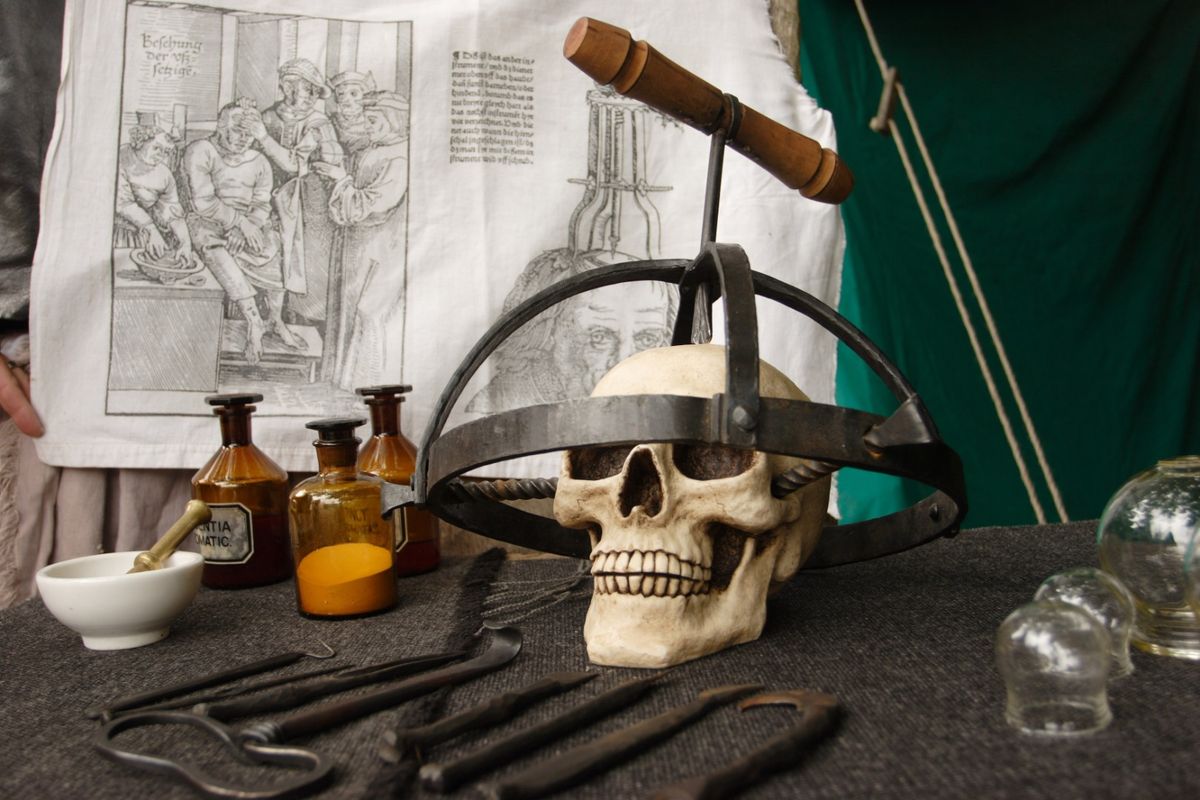
Các tổ chức tâm thần trong quá khứ là thứ của những bộ phim kinh dị, một số phận đôi khi còn tồi tệ hơn cả cái chết đối với những người bị chôn vùi sau bức tường của họ. Chỉ một thế kỷ trước, mọi người đã được định chế cho các vấn đề tương đối phổ biến, hiện có thể điều trị được, như rối loạn lưỡng cực [nguồn: Mental Health America ]. May mắn thay, việc phát hiện, điều trị và chẩn đoán bệnh tâm thần, mặc dù vẫn chưa hoàn hảo, nhưng đã trải qua một chặng đường dài. Một trong những biện pháp được đánh giá là cải thiện chất lượng chăm sóc là phát triển DSM.
Năm 1917, Hiệp hội Tâm lý Y học Hoa Kỳ (tiền thân của APA) và Ủy ban Quốc gia về Vệ sinh Tâm thần đã đưa ra một kế hoạch, được Cục Điều tra Dân số thông qua, để thu thập thống kê sức khỏe thống nhất trong các bệnh viện tâm thần. Và vào năm 1921, APA bắt đầu phát triển các phân loại tâm thần cho các rối loạn tâm thần nghiêm trọng khác nhau. Sau Thế chiến II, APA đã sử dụng một hệ thống phân loại lớn hơn do Quân đội Hoa Kỳ phát triển khi họ đang điều trị cho các cựu chiến binh để phát triển DSM đầu tiên [nguồn: APA] .
- Quy trình phân loại DSM
- Thay đổi từ DSM-IV sang DSM-5
- Sự bổ sung của Phần III
- Tranh cãi và đảo ngược với DSM
Quy trình phân loại DSM

Phiên bản chính thức đầu tiên của DSM được phát hành vào năm 1952, với phiên bản gần đây nhất - DSM-5 - được xuất bản vào năm 2013 [nguồn: Kawa và Giordano , APA ]. Mỗi bản cập nhật là kết quả của nhiều năm họp Đội Đặc nhiệm DSM-5, thảo luận của các nhóm làm việc và đóng góp ý kiến của nhiều chuyên gia tâm thần trên thế giới. Ngày nay, sách hướng dẫn bao gồm một bộ ba thành phần cho mỗi rối loạn:
Phân loại chẩn đoán bao gồm danh sách các rối loạn tâm thần được chính thức công nhận. Tất cả các chẩn đoán đều được gán mã chẩn đoán (lấy từ ICD của Tổ chức Y tế Thế giới), giúp ích cho việc thu thập dữ liệu, cũng như đơn giản hóa quy trình thanh toán cho các nhà cung cấp và tổ chức y tế.
Tiêu chí chẩn đoán cũng có sẵn cho mọi rối loạn. Các tiêu chí liệt kê các triệu chứng, bao gồm cả thời gian của chúng, phải có để đạt được chẩn đoán cụ thể. Ngoài ra còn có một loạt các rối loạn và triệu chứng khác được liệt kê mà trước tiên cần được loại trừ.
Văn bản mô tả cho mỗi rối loạn chứa thông tin về tỷ lệ hiện mắc, sự phát triển và diễn biến, các yếu tố nguy cơ và tiên lượng cũng như các thông tin liên quan khác.
Việc một bệnh tâm thần được thêm vào DSM là một kỳ tích không nhỏ. Trên thực tế, DSM-IV không hoàn toàn khác với DSM-5, nhưng những thay đổi tạo nên sự cắt giảm đã được một số bộ óc hàng đầu trong lĩnh vực tâm thần xem xét và thảo luận kỹ lưỡng . DSM-IV được xuất bản vào năm 1994, vì vậy Đội đặc nhiệm DSM-5 đã phải xem xét lại tất cả các nghiên cứu khoa học được công bố về các rối loạn tâm thần kể từ đó. Hãy nhớ rằng, DSM-5 mới được xuất bản cho đến năm 2013, vì vậy đó là giá trị nghiên cứu gần 20 năm để xem xét.
Following the comprehensive review, proposals to modify existing diagnoses were made, which required vigorous discussion and debate among the committee members, plus input from outside experts. All proposals were examined by the task force, as well as two additional committees created for a more independent-opinion, the Scientific Review Committee and a Clinical and Public Health Committee [source: APA].
New editing changes have streamlined the process, however. Rather than waiting decades between issues, experts can now submit changes online, helping to make the manual more timely and current. Once approved by the APA board of trustees, clinicians and other DSM users are notified about the edit, so they can make diagnosis changes in real time.
"This has been a major advance," says Dr. Philip Wang, director of the APA's research division, which supervises the DSM. He says this change has effectively turned DSM-5 into a "living document," of sorts. "Let's say there is enough scientific evidence and let's say there is a valid change, to have to wait 15 or 20 years for clinicians and patients to benefit from that change is unconscionable," he adds.
Once a change is made, users can hover over it in the online version to find out the pertinent details, what the previous material was, and the supporting scientific evidence that inspired the edit. "It's completely transparent, continuous, and at the end of the day, it hopefully is good for clinicians and benefits patients," Wang says.
Changes from DSM-IV to DSM-5

One of the major overhauls between DSM-IV to DSM-5 was done to handle the problem of excessive comorbidity, which is when one patient is diagnosed with two or more conditions. There was a lot of this going on with DSM-IV and earlier versions. "If someone was diagnosed with one condition they were likely to also be [incorrectly] diagnosed with having a second condition," Wang explains. "A lot of patients would fall in between categories, and there was a lot of use of a category called 'not otherwise specified' [NOS]. If you have that kind of comorbidity and that kind of use of NOS, it means that the categories are not quite working for patients and clinicians."
Để giải quyết vấn đề này, mà các bác sĩ lâm sàng đã báo cáo trong nhiều năm trước đó, DSM-5 đã kết hợp gần 30 rối loạn, làm giảm hiệu quả các chẩn đoán, bệnh đi kèm và NOS không có ích. Theo Wang, hai chẩn đoán đã bị loại bỏ hoàn toàn và 15 chẩn đoán được bổ sung.
Probably the most well-known diagnosis removed was Asperger's syndrome , which is now classified under the autism spectrum disorder (ASD) diagnosis. This change was made in response to the research and clinical findings gleaned over the course of the previous couple of decades, with autism spectrum disorder revised to encompass four previously distinguished disorders (autistic disorder, Asperger's disorder, childhood disintegrative disorder and pervasive developmental disorder not otherwise specified) [source: Autism Society].
Hy vọng là việc tinh chỉnh các tiêu chí và bao gồm thang đo mức độ nghiêm trọng sẽ giúp chẩn đoán hợp lệ và đáng tin cậy hơn. Tuy nhiên, một số nhà phê bình bày tỏ lo ngại rằng việc loại bỏ một chẩn đoán lâu nay sẽ ảnh hưởng tiêu cực đến bệnh nhân và gia đình của họ và gây ra sự nhầm lẫn trong cộng đồng thanh toán / điều trị [nguồn: Viện Nghiên cứu Tự kỷ ].
"Tôi biết rằng đã có rất nhiều cân nhắc về nó và sau đó là rất nhiều câu hỏi," Wang giải thích về sự chuyển đổi. "Đó là thứ mà mọi người vẫn đang đấu tranh." Tuy nhiên, nhóm vận động cho Autism Speaks chỉ ra rằng không nên có bất kỳ thay đổi nào trong việc tiếp cận các dịch vụ hoặc bảo hiểm nếu chẩn đoán của ai đó trước đây là Asperger và giờ là ASD.
DSM-5 has also revamped disorders into a lifespan approach. Instead of classifying certain issues as solely "childhood disorders," it discusses how they change and manifest at all stages. DSM-5 also emphasizes the importance of parents in diagnosis and treatment. Also, although many disorders were streamlined, two childhood-specific issues were added.
Disruptive mood dysregulation disorder (DMDD) describes severe, recurrent outbursts of temper that are extremely inappropriate for the situation or in level of intensity. And social communication disorder (SCD) is "characterized by a persistent difficulty with verbal and nonverbal communication that cannot be explained by low cognitive ability," according to the APA. Prior editions of DSM didn't include the appropriate treatment for these problems because they had not been completely defined and studied, and as such treatment varied and suffered [source: APA: DSM-5 and Diagnoses for Children Fact Sheet].
The Addition of Section III
DSM-5 also introduced Section III, which is for conditions where there is not enough scientific data yet to determine whether they should be classified as psychiatric disorders. Among these conditions are Internet Gaming Disorder , Caffeine Use Disorder (see sidebar) and Persistent Complex Bereavement Disorder [source: APA].
Section III also contains measures and models that have potential to help clinicians better evaluate patients. "There's been a push that there are dimensions that run across disorders," Wang says. "Some patients have symptoms or signs that appear across many diagnostic categories. That's why they're ending up with lot of comorbid diagnoses."
So, the DSM-5 introduced the cross-cutting dimensional measure, which helps clinicians determine if there are underlying dimensions that could be present in multiple disorders. Although this approach is still in need of validation before it can be permanently included in the main DSM-5, Wang notes that many physicians already follow this line of thought. "It's like when primary care doctors do a review of systems," he explains. "They probe further if there's a positive. In mental health we need a mental health review of systems. That's what the DSM cross-cutting measure is."
Section III also includes a cultural formulation interview guide, with questions to help clinicians identify how a patient's cultural background affects their perception and presentation of psychiatric symptoms, treatment and diagnosis. "The interview provides an opportunity for individuals to define their distress in their own words and then relate this to how others, who may not share their culture, see their problems. This gives the clinician a more complete foundation on which to base both diagnosis and care," APA explains in a Section III Fact Sheet.
Caffeine Use Disorder (CUD) is a Thing
One or two cups of Joe is no big deal, but too much caffeine can actually result in "caffeine intoxication," which can even land a person in the hospital. DSM-5 added CUD to Section III as a possible diagnosis for further study. Until research either confirms or denies this diagnosis, stop to consider the following: Do you really want to quit caffeine use, or at least control it, but are unsuccessful? Do you continue to use caffeine even if you know it causes you physical or psychological issues? Do you experience excessive withdrawal if you do try to back off usage? If you answered yes to all three you could be a candidate for CUD [source: Addicott].
Controversies and Reversals With the DSM

Some key about-faces are proof that the DSM isn't opposed to changing with the times. Here are some examples of major turnarounds:
Consenting adults who enjoy relatively unconventional BDSM, fetishes or even cross-dressing need not fear being considered mentally ill, thanks to the DSM-5 update, which "depathologized" kinky sex. Instead, they are now considered people with "unusual sexual interests" [source: National Coalition for Sexual Freedom].
Also, in keeping with the greater acceptance of transgender people, DSM-5 replaced the diagnosis of "gender identity disorder" with the less controversial "gender dysphoria," which does not classify those who don't identify with their birth gender as having a mental disorder. However, the diagnosis does spell out some of the challenges of living with gender dysphoria, as well as the different paths people choose to take to resolve this [source: APA]. (Some critics of the change point out that some insurance companies won't cover hormonal or surgical treatment if the condition is not considered a mental disorder.)
Another big change was the removal of homosexuality as a mental disorder from DSM-II. "APA's 1973 diagnostic revision was the beginning of the end of organized medicine's official participation in the social stigmatization of homosexuality," writes Jack Drescher in the journal Behavioral Sciences. "Similar shifts gradually took place in the international mental health community as well. In 1990, the World Health Organization removed homosexuality per se from the International Classification of Diseases (ICD-10). "
This was all accomplished in baby steps. Initially, DSM-III made a distinction between people who were comfortable with their homosexuality and those who weren't — the latter could be diagnosed with the mental disorder Sexual Orientation Disturbance. Eventually, this diagnosis was also removed from the manual in the 1980s [source: Group for the Advancement of Psychiatry].
One complaint about the DSM is that once a condition is included in the manual, it may turn what once was considered "normal" behavior into a pathological illness that must be treated — often with medication. "Many millions of people with normal grief, gluttony, distractibility, worries, reactions to stress, the temper tantrums of childhood, the forgetting of old age, and 'behavioral addictions' will soon be mislabeled as psychiatrically sick and given inappropriate treatment," wrote psychiatrist Allen J. Frances in Psychology Today at the time that DSM-5 was going to press.
But Wang points out that DSM-5 has incorporated an acuity measure to help with that, since so many disorders range widely in their severity. These scales help clinicians better evaluate symptoms and levels of impairment. For example, let's say you're grieving over the death of your father. Are you still able to cope with life or are you barely able to get out of bed? Once assessed, clinicians will be better able to land on the appropriate treatment, whether medication, watchful waiting, talk therapy or a combination of these [source: APA Integrated Assessment fact sheet].
Lots More Information
Author's Note: How the DSM (Diagnostic and Statistical Manual of Mental Disorders) Works
The human mind is marvelous, but for some can be a terrible trap of sorrow, anxiety and a million other emotions. People dealing with mental illness (not to mention the loved ones who support them) deserve an up-to-date, fully considered guide to help them and their clinicians provide the best support possible. Let's hope the DSM continues to strive for these noble goals.
Related Articles
- Is it possible to share your psychosis?
- Can TV viewing cause autism?
- How Schizophrenia Works
- How PTSD Works
- Do We Really Need Internet Addiction Treatment Centers?
More Great Links
- DSM-5
- This American Life: 81 Words
Sources
- Addicott, Merideth A. "Caffeine Use Disorder: A Review of the Evidence and Future Implications." Current Addiction Reports. Sept. 2014 (Sept. 17, 2017) https://www.ncbi.nlm.nih.gov/pmc/articles/PMC4115451/
- American Psychiatric Association. "About DSM-5." 2017 (Sept. 10, 2017) https://www.psychiatry.org/psychiatrists/practice/dsm/about-dsm
- American Psychiatric Association. "DSM History." 2017 (Sept. 10, 2017) https://www.psychiatry.org/psychiatrists/practice/dsm/history-of-the-dsm
- American Psychiatric Association. "DSM-5 and Diagnoses for Children Fact Sheet." 2017 (Sept. 15, 2017) https://www.psychiatry.org/psychiatrists/practice/dsm/educational-resources/dsm-5-fact-sheets
- American Psychiatric Association. "DSM-5: Frequently Asked Questions." 2017 (Sept. 10, 2017) https://www.psychiatry.org/psychiatrists/practice/dsm/feedback-and-questions/frequently-asked-questions
- American Psychiatric Association. "ICD vs. DSM." 2017 (Sept. 10, 2017) http://www.apa.org/monitor/2009/10/icd-dsm.aspx
- American Psychiatric Association. "Integrated Assessment Fact Sheet." 2017 (Sept. 15, 2017) https://www.psychiatry.org/psychiatrists/practice/dsm/educational-resources/dsm-5-fact-sheets
- American Psychiatric Association. "Making a Case for New Disorders." 2017 (Sept. 10, 2017) https://www.psychiatry.org/File%20Library/Psychiatrists/Practice/DSM/APA_DSM-5-Making-Case-for-New-Disorders.pdf
- American Psychiatric Association. "Section III Fact Sheet." 2017 (Sept. 15, 2017) https://www.psychiatry.org/psychiatrists/practice/dsm/educational-resources/dsm-5-fact-sheets
- American Psychiatric Association. "What is Gender Dysphoria?" 2017 (Oct. 2, 2017) https://www.psychiatry.org/patients-families/gender-dysphoria/what-is-gender-dysphoria
- Autism Research Institute. "Updates to the APA in DSM-V – What do the Changes Mean to Families Living with Autism?" 2017 (Oct. 2, 2017) https://www.autism.com/news_dsmV
- Autism Society. "Asperger's Syndrome." 2017 (Sept. 15, 2017) http://www.autism-society.org/what-is/aspergers-syndrome/
- Centers for Disease Control and Prevention. "Mental Health Basics." 2017 (Sept. 10, 2017) https://www.cdc.gov/mentalhealth/basics.htm
- Drescher, Jack. "Out of DSM: Depathologizing Homosexuality." Behavioral Sciences. Dec. 2015 (Sept. 17, 2017) https://www.ncbi.nlm.nih.gov/pmc/articles/PMC4695779/
- Frances, Allen J. M.D. "DSM-5 is Guide Not Bible – Ignore Its 10 Worst Changes." Psychology Today. Dec. 2, 2012 (Sept. 17, 2017) https://www.psychologytoday.com/blog/dsm5-in-distress/201212/dsm-5-is-guide-not-bible-ignore-its-ten-worst-changes
- Group for the Advancement of Psychiatry. "The History of Psychiatry and Homosexuality." (Oct. 6, 2017) http://www.aglp.org/gap/1_history/
- Kawa, Shadia and James Giordano. "A brief historicity of the Diagnostic and Statistical Manual of Mental Disorders: Issues and implications for the future of psychiatric canon and practice." Philosophy, Ethics and Humanities in Medicine. Jan. 13, 2012 (Sept. 10, 2017) https://www.ncbi.nlm.nih.gov/pmc/articles/PMC3282636/
- Mental Health America. "Our History." 2017 (Sept. 10, 2017) http://www.mentalhealthamerica.net/our-history
- National Coalition for Sexual Freedom. "The DSM Says Kink is OK!" 2017 (Sept. 17, 2017) https://www.ncsfreedom.org/key-programs/dsm-v-revision-project/dsm-v-program-page
- Wang, Philip, M.D., PhD. American Psychiatric Association. Telephone interview, Sept. 10, 2017.
- World Health Organization. "ICD-10." 2017 (Sept. 10, 2017) http://www.who.int/classifications/icd/en/